Writing

Why I’m [Still] an Indie Author

For most of my life, I’ve wanted to be a writer, and I have been. If you put pen to paper (or fingers to keyboard) and words flow out into story or poetry or screenplay form, you’re a writer. I never had dreams of being a traditionally published writer, at least not in the sense of doing book tours. I just wanted to be able to hold my book in my hands and know other people are reading it. Not long ago, I showed one of my friends my proof copy of The Reanimator’s Heart, and they said something along the lines of “It’s a shame no traditional publisher has snapped you up yet.”

It sort of took me aback because I haven’t had the desire to be traditionally published in a long time. I haven’t even tried because, frankly, I don’t want to. There’s a multitude of reasons as to why I haven’t tried to be traditionally published after self-publishing seven, almost eight books. I think a lot of people see self-publishing as a sort of last resort or desperation route, but for a lot of us, this is the way we have purposely chosen to go and will continue to go. If you’re curious as to why I have decided to forgo the traditional route, here are some reasons:

  1. Traditional publishing is imploding/turning into a monopoly. If you follow book Twitter or have read business news, you might have seen how the big 5 has become the big 4 and is inching toward the big 3. This is terrible for competition, editors, diversity, agents, and of course, authors. The whole trial regarding the merger has further soured my feelings toward publishing as the administrators are acting like they have no idea how the industry works, which could be them playing dumb or actual ignorance on their part. Neither of which fills me with hope. On top of this, smaller publishers or imprints get gobbled up or shut down in order to funnel money into the larger publishers.
  2. Advances are getting smaller and more spread out. Is the money in traditional publishing worth it? If I was able to not work between books, yeah. At this point, most writers are making less than money than they did ten years ago in terms of advances. They tend to be smaller and have gone from being in three parts to five parts, which means you get less money over a longer period of time. Unfortunately, bills do not wait for your five part advance. At this point, my monthly growing income from my books is more reliable, and in the future, the hope is that my monthly income will be enough to live off. The sad fact is that traditional publishing is also becoming less livable.
  3. Publishing with a small press can be a good way to screw yourself over. The biggest issue is they tend to implode. We saw this happen a lot during the mid 2010s with queer romance publishers. They started to fold, stopped paying authors, ghosted them, and then wouldn’t give them their rights back. I saw this happen to multiple people. The other issue is that some smaller presses don’t do a very good job. Someone I know published with a university press and the book cover was horrible. I am not a stellar graphic artist, and I could have done better. They looked like they were made in paint by someone who gave zero shits. I cannot imagine they did any marketing for these books, yet they still collected this author’s royalties and did them no favors by giving them an unmarketable product with a genre-ambivalent cover. Being set up for failure by someone else in order to be recognized as “traditionally published” by the establishment feels pointless.
  4. My book lives and dies by my choices if I self-publish. The big takeaway here is my choices. I pick the cover, I make the blurb, I market the book, etc. I don’t have to worry about someone else picking a hideously ugly cover or doing no marketing for my book. If the market changes, I can buy a new cover for my book, I can alter the blurb at a moment’s notice, and I can set up ads for my books whenever I want. I don’t have to have my marketing blessed by authorities, and best of all, I can rant about whatever I’m working on because I don’t have an NDA stopping me. Do traditional publishers have a longer reach in terms of marketing? Sometimes, but with new authors who aren’t being promoted as they next big thing, not really. Publishers are getting cheaper and cheaper with marketing and small presses don’t do a whole lot in that regard.
  5. The immediacy of self-publishing and lack of gatekeeping. I can literally finish proofing my book and slap it online as soon as I’m done. I don’t have to wait 1-2 years for it to trickle through the system and that’s after potentially waiting years for an agent to think I’m worthy of their time. Everything in self-publishing is on my schedule, and if I need to take longer due to unforeseen circumstances, I can. Part of why I initially started self-publishing was to avoid the gatekeeping in traditional publishing. Back in 2014, publishers were trying to straight-wash queer media, and while that’s less common in 2022, we definitely still see certain marginalized stories get pushed to the sidelines or not get marketing. If I want to write a trans character or an autistic characters, no one can tell me the character makes the book unmarketable.

I could go on about more minute reasons, but these are probably the top five reasons as to why I’ve decided to continue self-publishing and not really look at traditional publishing. It just isn’t worth the time and energy investment when I can do a lot of the same things myself and reap the benefits without having to pay a middle man. Plus, self-publishing is a viable option in terms of being able to live off your writing. Nothing is a guarantee, but it’s something to work toward, especially after seeing other self-published authors find success.

Personal Life

On Classroom Accommodations

A post online the other day brought up something that hits on two major intersections in my life: teaching and being neurodivergent. The post talked about how professors/teachers need to stop treating students’ accommodations as charity they allow them to have and something that allows a marginalized person to participate more fully in the class/discussion/college community.

If you don’t know what accommodations are, they’re often things like giving a student with ADHD more time in class for tests or allowing a diabetic student to eat in class if their blood sugar is low. In order for students to receive accommodations in class, there are often a lot of hoops they have to jump through, such as having a diagnosis, getting a doctor to write up the accommodation, having the school approve it, having it passed out to the professors and signed off on, AND the professor still can sort of shrug it off. The student can always complain to academic affairs or whatever office deals with IEPs/accommodations, but that requires energy and cooperation from the office with no promise that the professor will ultimately cooperate or not hold it against the student for pushing back.

Something I instituted in my class this semester is a self-diagnosis policy. Often students who are autistic or have ADHD struggle to get a diagnosis as an adult or find getting a diagnosis could actually work against them (I have avoided an official autism diagnosis because you can be denied organ transplants among other things. Look it up; it’s an awful, ableist policy centered around “quality of life”). Since my classes are writing-focused, there aren’t tests, which makes allowing for extra time or other accommodations easier (no dealing with the Academic Support Center, etc.), but I have had students with anxiety, migraines, stomach issues, etc. who end up missing class more than the average student. My policy is now that as long as you keep up with your work and give me a heads-up, we’re good.

There’s some professor out there who is going, “But if I let one do that, they’ll all do that!” Shockingly, they don’t. They really, really don’t. I have had students reach out to me due to extenuating circumstances or medical issues, and so far, they always keep up with their work. The rest of the class continues on as is. Those who need it, use it. Those who don’t, don’t. If you’re not sure why this matters for quality of life, let me tell you the story of why I stopped going to a professional to get my hair cut.

As a little background, I have eczema crop up all over my body. In the past, before I started taking a biologic, it was severe, and it’s aggravated by chemicals, fragrances, etc. to the point that I only use one kind of shampoo. I also have sensory problems where things most people take for granted REALLY bother me. People touching my head or face is not a fun experience. The hair dryer is hell as it is hot, loud, but the stop and start of it just frays my nerves after while. Even a hairbrush running across my scalp bothers me if I’m stressed enough.

My aunt was going to one hairdresser who was younger and very nice. I asked my aunt to ask her if I could come to the salon with a wet head, so she didn’t have to wash my hair (aka avoid the shampoo and copious head touching). She agreed, and I went. Everything went great. My hair looked nice, and she even asked if I wanted my hair dried or left damp the second time I visited her, and from then on, we just left it damp to dry naturally. I have straight hair that dries quickly, so it looks fine after. Avoiding having my hair washed and dried made getting a haircut far less stressful. I actually didn’t hate it, though the talking throughout was less than ideal but doable.

The problem came up with my preferred hairdresser switched days and salons, and I couldn’t see her. I was desperate for a haircut before the semester started that year, so I booked an appointment with someone my other aunt used in the same salon. Big mistake. She ran roughshod over my needs. I came with a wet head, and she made me get my hair washed. I protested, and she just ushered me over the shampoo girl anyway. It caught me by such surprise that I just sort of blanked instead of fighting it further. Everything went downhill from there. My head already was itching. I told her what I wanted and showed her pictures, and she went rogue because a different length would “look better with my face.” I asked if she could not blow dry my hair, and she ignored me again. By the time I left, I was ready to cry. I was angry and frustrated that she ignored things she could have easily accommodated and completely overstimulated me. It’s been several years, and I haven’t gone back to get my hair professionally cut for fear that any accommodation I ask for will be treated like I’m being dramatic.

I keep this trip to the salon in mind when students tell me they’re struggling with something or need something to help them succeed. It isn’t “special” treatment, it’s creating equity in the classroom by leveling the playing field and removing barriers that would hinder a students’ ability to function. By ignoring an accommodation, at best, you’re making things harder than they have to be. At worst, you are actively harming your student. The hairdryer made me more overstimulated, making it harder to get through the haircut experience. The shampoo full of fragrances I didn’t want them to use actively harmed my skin, and I got an eczema flare on my scalp and neck the next day.

Something other teachers might want to consider when a students asks for an official or unofficial accommodation is that not every disability or illness is visible or consistent. I have IBS. Luckily it’s IBS-C, which doesn’t interfere too much with my life. Imagine having IBS-D and telling your professor you can’t come to a workshop class because you’re in the middle of a flare (aka frequent bathroom trips) but you will send in your feedback to your groupmates in hopes of getting credit. And your professor fires back, you look fine most of the time and to get credit, you have to be present bodily. Should your student have to disclose that they are worried about shitting themselves in class in order for you to let them do their work remotely? On the neurodivergent side of things, I don’t tell everyone I’m neurodivergent because people have some weird assumptions they will apply to you. If you say you’re autistic, people will treat you differently if they don’t know you and what you’re capable of. Students shouldn’t have to make themselves vulnerable and open to potential ridicule or ableism by disclosing specifics.

As we head into the middle of the semester, I want you to think about what your reaction to reading this was. My fear is always that someone says, “If they can’t handle it, they shouldn’t be here.” Why shouldn’t they? Why shouldn’t an autistic student or a chronically ill student be at school? What about their condition precludes them from accessing a good education? What makes their education less worthy than that of their neurotypical or non-chronically ill peer? The bootstrap attitude is ableist bullshit, and if you’re reaction was to question the student’s value or fitness, I hope you will seek out chronically ill or neurodivergent authors to work on yourself because you really don’t belong in a classroom if you’re going to actively hinder your students. To those who want to better support their students, I hope you will allow for unofficial accommodations in your future classrooms.

Monthly Review

September 2022 Wrap-Up Post

September was a shockingly productive month. One of those months where I’m super convinced I forgot something very important because I got so much done and nothing seems to have gone wrong. I’m always suspicious when things go well. Let’s take a look at the goals I made in August for September and see how I did.

  • Maintain my mental health and a decent work-life balance while grading/teaching
  • Make my goals for quarter 4
  • Writing goal of 10k/12k/14k of “Flowers and Flourishing”
  • Deal with any last minute book BS that comes up for The Reanimator’s Heart
  • Blog weekly and put out my monthly newsletter
  • Maybe make another book trailer/Tiktok for The Reanimator’s Heart (<– didn’t happen)
  • Read 8 books

Books

My goal was to read 8 books this month, and I read 9 books in September.

  1. Home Grown Talent (#2) by Joanna Chambers and Sally Malcolm- 4 stars, a gardener and a model turned TV personality team up for a weekly gardening segment where flirting for the camera turns to something more
  2. Sophie Go’s Lonely Hearts Club by Roselle Lim- 5 stars, a matchmaker returns home to save her new career while dealing with a toxic mother and a gaggle of lovely and complex older gentlemen who need to be matched
  3. Saga (#8) by Brian K. Vaughn and Fiona Staples- 4 stars, rereading before volume 10 drops
  4. Self-Made Boys by Anna-Marie McLemore- 4 stars, a queer and trans retelling of The Great Gatsby where everyone manages to get a happy ending
  5. Imperfect Illusions (#1) by Vanora Lawless- 4 stars, set during WWI, two gay men with magic struggle to maintain their connection and safety during the war as they’re used as weapons
  6. Monstress (#7) by Marjorie Liu and Sana Takeda- 4 stars, things are getting dicey for our heroine, but her little fox comes to the rescue once more
  7. Lay Me Down in Ivy by Stefanie Simpson- 3 stars, an interesting Victorian-flavored erotica with a fem dom MC and a cinnamon roll male MC, could have used more characterization overall
  8. Monotone Blue by Nagabe- 4 stars, a studious reptile person arrives at a new school and starts to bond with a lazy cat person. A cute MM young adult romance story that I wish would continue and does talk briefly about some heavier subjects
  9. A Snake Falls to Earth by Darcie Little Badger- 4 stars, a wonderful story with lots of Indigenous lore where a human girl and a snake-shifter from another realm team up to save his frog friend and her grandmother.

Admin/Behind-the-Scenes Stuff

  • Proofed the audiobook of Kinship and Kindness
  • Paid narrator for the audiobook
  • Released the audiobook of Kinship and Kindness (see blog post in next section for links/info)
  • Fixed proof copy of The Reanimator’s Heart, so now it is ready to go
  • Made more marketing graphics for The Reanimator’s Heart
  • Set up my goals for Q4 and have reset my kanban board
  • Got my omicron booster/flu shot
  • Touching base with my job about my classes next semester (required some logistical work)
  • Started teaching my writing classes for the semester
  • Have been continuously in grading hell, but I don’t feel like I’m drowning in work. That’s as good as the balance gets at this point.
  • Visited friends for dinner (we all are fastidious maskers on campus), which was really lovely and has helped my brain a bit
  • Worked on plotting “Flowers and Flourishing” and wrote act one
  • May have made a Pinterest board for the next Reanimator book, even though it isn’t in line to be written next, but I like creating a vibe while it marinates

Blogs Posted


Writing

I ended up writing a bit less than I hoped this month. My initial low goal was 10k words (as in 11.5k total), and I ended up only writing to 10k (9.5k words). I really shouldn’t be shocked though because the first act always takes me the longest to get through. Now that I’m getting into act II, I’m hoping that it will move quicker, and I’ll have an easier time balancing my grading and my writing as I’ll be more accustomed to my schedule.

  • Week 1 (4 days)- 720 words (missed 2 days)
  • Week 2- 2600 words (missed 4 days)
  • Week 3- 1800 words (missed 2 days)
  • Week 4- 600 words (missed 6 days)
  • Week 5 (5 days)- 2500 words (missed 2 days)

Hopes for October

  • Have a good launch for The Reanimator’s Heart (aka release ebook and paperback and maybe hit my stretch goal for my preorders)
  • Start prepping the weekly notes for my spring classes as they are both new *laugh sob*
  • Writing goal
    • Minimum goal: 10,000 words
    • Normal goal: 12,500 words
    • Stretch goal: 15,000 words
  • Read 8 books
  • Blog weekly and put out my monthly newsletter
  • Enjoy doing fall/Halloween stuff
Uncategorized

🌈 2022 October Queer Releases 🌈

The Reanimator’s Heart is on this list along with many others! Stop by to restock your TBR piles!

Gabriele | QueerBookdom's avatarQueerBookdom

Nota Bene: an asterisk (*) is added near the titles to mean that the book DOES NOT feature queer characters on page (to my knowledge), but the author is queer and therefore still in need of our support as those book are intrinsically queer (or at leastIthink so, everyone else is absolutely free to feel otherwise).

I try to be as inclusive as I possibly can, so my monthly release posts will always include books by non-queer authors who feature queer main characters or prominent queer secondary characters, as well as books by queer authors with or without representation as I wrote above.


Title Author/Editor Category/Genre Publication Date
The Woodcutter and the Snow Prince Ian Eagleton & Davide Ortu (Illustrator) Picture Book 01-10-2022
Bite Me! (You Know I Like It) Fae Quinn Adult/Fantasy 01-10-2022
Death’s Bloom Lily Mayne Adult/Horror 03-10-2022
Last Night in Brighton Massoud Hayoun Adult/Contemporary 04-10-2022

View original post 694 more words

The Reanimator's Heart

The Reanimator’s Heart Preview 2

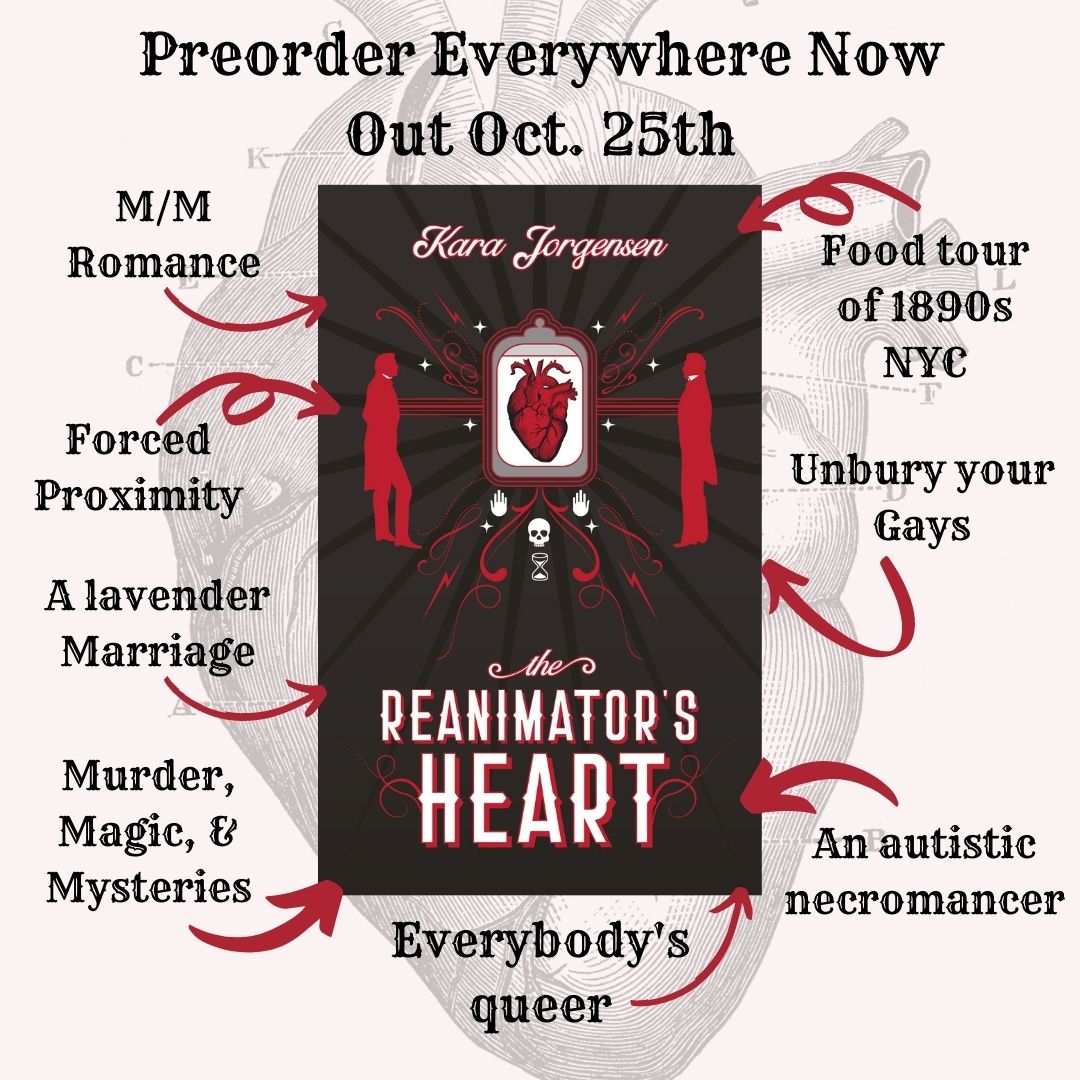
It is officially less than a month until The Reanimator’s Heart (The Reanimator Mysteries #1) releases in ebook and paperback form (October 25th!). You can read the prologue and chapter 1 in a previous blog post. Today, I wanted to share with you chapter two. Do you need to have read the prologue and chapter 1? No. You can definitely read this one independently. Hopefully this will whet your appetite until it releases in a month.

I’m also super excited because so far the reviews that have come from early readers have been very positive. If you’re interested, you can preorder it here at your favorite ebook retailer. Paperbacks will be available closer to launch day.


Chapter Two: Masks

Felipe stared out the window of his apartment at the back of the Paranormal Society, though he wasn’t truly looking. He had been back for nearly three days, and while he slept through most of the first day, he should have unpacked his bags by now. But he couldn’t bring himself to do it. He had used this apartment as a landing ground between trips and investigations for years, yet it never truly felt like home. At the other hotels and safehouses, he never unpacked. Why should he here? But it was his. His name was on the door, his extra clothing hung in the wardrobe, his daughter’s picture and their family portrait sat on the dresser. Putting the teacup of sherry he had been nursing on the windowsill, Felipe snatched up the last picture they had taken as a family.

It had only been taken two years ago, but he looked so much younger to his eyes. There was no stripe of grey near his temples to mar the sweep of walnut brown. Louisa had told him it made him look distinguished, but his father was sixty and had less grey and it made him feel old. Now, he had dark circles and more lines at the corners of his eyes. Beside him in the photograph was his daughter. Teresa had been seventeen when they had had their picture taken. Where there once was an unsure girl, Teresa had now grown into a woman with plenty of ideas and opinions and a whole future unfolding before her. She was studying at the Philadelphia School of Design for Women now. One day, she would go on to study design in Europe and have her work in the best department stores, he was sure of it. While he was in town, he should take the train to visit her.

He sighed and scrubbed a hand over his face. He should visit Louisa, too. She and her partner, Agatha, always knew how to snap him out of these grey moods. Vibrant, clever Louisa who never seemed to change in all the years they had known each other. She had, of course, but it always was in ways that made her more herself. Louisa grew out and up like a tree, stronger and better, while he felt the years creep over him like a fungus. With Teresa out of the house, Louisa had taken up new causes and spent more time at the gallery with Agatha. Felipe was happy for Louisa and Agatha finally having more alone time together. After all, his and Louisa’s reciprocal proclivities had drawn them together into their marriage of convenience in the first place, but it had been a long time since he had that sort of steady companionship.

Even without all the women in his life, he should be happy to be back in Manhattan. The city had everything he could possibly want: a wealth of entertainment, food he couldn’t find anywhere else in the country, the best tailors and department stores, a community of men who shared his tastes, yet he still felt hollow and alone. So unbearably alone.

At the solid rap of a knuckle on the door to his rooms, Felipe pulled himself together and put on his usual devil-may-care expression. The look fell off his face when he came eye-to-eye with Oliver Barlow. When he told Miss Jones he was looking for Barlow, he had never expected him to actually come. Barlow rarely came up to the society’s main rooms, except to eat, and almost never paid visits. Hell, he barely opened the door of his lab. In previous trips, Felipe had knocked but received no answer despite hearing the other man moving around inside. It wasn’t the worst outcome as Oliver Barlow had the worst effect on him, yet the other man didn’t seem to notice. Barlow wasn’t beautiful in the way most men were, but he was arresting. His skin was deathly pale, to the point that Felipe had thought him ill when they first met, which was only compounded by his severe black hair and grey eyes. He reminded Felipe of a drawing done in charcoal, all hues of black and white, which carried to his clothing, as he always wore the same nearly black suit and grey tie. The most color came from Barlow’s shapely mouth, which hung agape for a brief second before it snapped shut and the solemn, stiff man he presented to the world reappeared.

Behind him, Gwen Jones stood watching them with interest. Felipe often wondered if Miss Jones had taken to Barlow for the contrast alone. He was all stillness while she was all motion. She was full of warmth with her copper skin and vibrantly patterned dresses while Barlow exuded a sepulchral air befitting his job. She flashed Barlow a grin before slipping down the hall. He stared at her longingly as she mouthed, “You’ll be fine,” before he turned back to meet Felipe’s gaze.

“Gwen— Miss Jones said you wanted to speak to me.”

“Yes, please, come in.”

Barlow hovered in the doorway a moment too long, and for a second, Felipe thought he might book until he seemed to force himself to dart inside as if he didn’t trust himself to slow down. Closing the door behind them, Felipe turned to the tea service he had forgotten on the sideboard. Beneath the garish cozy, the pot remained warm. As he poured some tea into his remaining sherry, he watched Barlow from the corner of his eye. He stood in the center of the room with his hands clasped behind his back, but his gaze slipped over the furniture and hearth, lingering on the closed door on the far side of the room. Felipe thought Barlow lived at the Paranormal Society as well, though he could never figure out which room was his.

“Would you like some tea?”

Barlow hesitated again. “Yes, thank you.” He added in clipped tones, “One sugar and a finger of cream, please.”

“A finger? You don’t hear that often with tea. I have sherry if you’d prefer it.”

Crinkling his nose, he shook his head. “No, thank you. Tea is fine.”

Felipe poured him a cup, careful to follow Barlow’s specifications with the man’s grey eyes boring into him. He must have done it correctly as a ghost of a smile appeared when Barlow saw the color of his drink.

“Please have a seat.”

Trepidation flickered over the medical examiner’s face, disappearing as quickly as it came. Taking the chair across from Felipe, Oliver Barlow sat ramrod straight with his ankles crossed and looked as if he wanted to be anywhere but in Felipe’s sitting room. Better to get it over with.

“You probably know I recently returned from a trip out west with Inspector Monroe. While we were in California, we were asked to visit the estate of an anatomist of some renown who recently passed. The old man was into some esoteric things, but I came across a few specimens I thought you might be interested in.” Felipe’s lips quirked into a smile at the flash of interest that stole across Barlow’s features. “I have no idea if they’re what his records say they are, but I thought they might be of interest to you. I wanted to let you have a look before one of the junior archivists gets their hands on it and it disappears. You know how the archivists are.”

From behind the armchair, Felipe carefully hefted the crate and placed it between them. Barlow’s eyes widened as he abandoned his tea on the armrest. He stared at the box with a reverence that belied the grossness of its contents.

As Barlow reached for the nearest jar, he snatched his hand back. “I should probably look at these later, downstairs.”

“You can look now if you want. I brought them back with you in mind.”

“You thought of me?” Barlow asked, his gaze solely on the specimens, but Felipe swallowed hard at the way he said it. The way Barlow’s voice became huskier, softer, when his attention was focused on things he liked went straight to his groin. The voice he used when prattling with Miss Jones was so different from what he used with the rest of them, but in the quiet of the sitting room with a box of specimens before him, Felipe thought he glimpsed the man underneath all the irreproachable tidiness and polite austerity.

Of course I thought of you, Felipe wanted to say, but instead, he sat in the armchair across from him and watched Barlow slip from the chair to kneel before the box. “As I mentioned, the man who owned the house had passed and his family wanted the Paranormal Society to collect anything they thought might be dangerous or useful. It isn’t all paranormal, but I figured you might know what they are and do something with them. Dissect them, maybe? Or add notes for the archives? They probably would have been thrown out otherwise. His daughter wasn’t particularly thrilled by the collection.”

Inside sat nearly a dozen specimens pickled in unknown fluid or alcohol. A few boasted disembodied tissue, limbs, or whole organs while the rest were from animals or sea creatures. A wax model of a werewolf in mid transformation laid at the bottom beside a pile of notebooks filled with anatomical and life drawings. Or that’s what Felipe could surmise from his quick perusal. Looking at the more realistic drawings turned his stomach. He had seen enough things during investigations for his mind to fill in the horrific blanks.

“Some of these are new to me, but I already have a few of the more typical specimens. That isn’t a problem, though. You can’t have too many preserved hearts,” Barlow said, holding up a jar where a crusty, fist-sized heart sat serenely in cloudy, amber liquid.

“I’ll take your word for it.”

“I have a few in my personal collection already, but they’re all different. They usually look the same from the outside, but inside they might be thicker or scarred or clogged with oil. You wouldn’t always know that by looking at them. When you’ve seen one heart, you really haven’t seen them all.”

“And this is why you’re good at your job. You’re always willing to look beyond the obvious.”

Barlow’s ears and cheeks pinkened. Dropping the notebook he held in his other hand, he sat back on his heels and looked up at Felipe as if for the first time. “I never even asked how your trip was. That was incredibly rude of me.”

“It’s fine.” Felipe batted the thought away with a wave of his hand. “Honestly, I’m tired of talking about it. Everyone just wants to hear a good story, not the truth. I’ve retold the story at least five times. It’s hard to remember all the embellishments I added to make it interesting at this point.”

“You could tell me. The true version, that is.”

Staring at him for a long moment, Felipe nearly did. Oliver Barlow, strange as he was, wouldn’t ask for more than Felipe could give. He had never asked him to regale him with tales of monsters and saving the day. Barlow knew what the monsters looked like when he and the other investigators finished with them and what they could do to an unsuspecting victim. Felipe shook his head. The sherry must be loosening his tongue.

Instead, he put on his most affable smile and took another long sip of sherry-laced tea. “No one wants to hear about paperwork and estate sales. Tell me about your work instead. What have you been up to?”

“Nothing too arcane.” It didn’t seem like Barlow was going to elaborate, but when Felipe gave him a pointed look, he continued, “An investigator brought in a man they thought was mauled by a werewolf today. It turned out that his pet tigers tried to eat him.”

Gaping at him, Felipe laughed. “Is this a normal day for you?”

“Not really. Why?”

“Because you said it so casually, ‘Oh, he was eaten by his tigers,’ like it’s completely normal for that to happen.”

Oliver flipped through the leather tome in his lap without raising his gaze as he replied, “Stranger things have happened. Werewolf prejudice is all too common when, in reality, foolishness is the most common killer.”

“How did you figure out it was a tiger?”

Slowly putting the book and jars back in the crate, Barlow shifted back on his heels. Felipe watched as the other man seemed to slowly stiffen. The warm interest in his features had been replaced by something tight and bland. A lock falling tightly into place.

When Barlow spoke again, his voice had taken on a clipped, clinical quality. “The claw and teeth marks didn’t match a wolf. And the man owned two pet tigers, so that was the logical conclusion. I should really let you get back to whatever you were doing. I have a report to write about Mr. Henderson.”

Standing, Barlow returned his nearly full teacup to the tray and hefted the box into his arms as if it were nothing. Felipe wanted to say something. He wanted to ask him to stay and to tell him more about his cases, but there was a purposefulness and finality to Barlow’s movements that made that feel futile. Instead, he opened the door for him.

“Thank you for bringing these back for me, Inspector Galvan. I’ll make sure they make their way to the archives when I’m done with them.”

With a final nod of goodbye, Barlow briskly took off down the hall. Felipe stood watching his retreating back until he disappeared around the corner. Returning to the empty apartment, Felipe wished he knew what he said to make him leave.

***

Unlocking the laboratory door with the box balanced on his knee, Oliver barreled inside before he could drop it. The moment he put it down, he sank to his knees with his back pressed against the hard wall. His breath came in a panicked rush. Why did Galvan have to ask about how he knew? It had been going so well. “Well” being a very relative term, but Oliver had had many conversations go catastrophically wrong, and that certainly wasn’t one of them. But Galvan had to ask about the one thing he couldn’t discuss. When Oliver turned up at the New York Paranormal Society after being dismissed from Howard Hospital, they had been hesitant to take him on. On one hand, a doctor with extensive dissection experience and a tie to the paranormal meant they would have someone who could do forensic investigations without running out of the building screaming. Taking on a necromancer, on the other hand, was far less attractive.

From a young age, he had made certain his abilities were only a footnote on his record. The few who knew when he was hired worried they had made a mistake putting a necromancer in charge of a room full of dead bodies. Imagine the havoc he could have caused, but he made sure to downplay his abilities. After all, he could barely make a bone dance. Mostly because he didn’t try hard in front of them, but they didn’t need to know that. The less he said, the better. They couldn’t know that his methods were often as scientific as they were direct. His employers liked results and little mess, and as long as he gave them both, they rarely asked for specifics. But Galvan asked questions. Friendly questions any normal person would ask, but Oliver couldn’t answer like a normal person. If Galvan knew he could wake the dead, he would never think of him the same way again. He wouldn’t trust him, he wouldn’t bring him specimens from far-flung assignments, and he certainly wouldn’t take tea with him in his rooms.

Oliver pressed his eyes with the heels of his hands. Why couldn’t he have been born with telekinesis like Gwen? Hell, if he had been born a werewolf, his life would have been easier. People were afraid of them, but that fear faded. The fear of someone who could manipulate the dead, potentially manipulate them one day, always remained. He could never forget that. Releasing a tremulous breath, Oliver shook out his hands and rubbed his face. Keeping Galvan at arm’s length was the most sensible solution. He had done it for years, and he would keep doing it. At least Galvan would probably be heading out on another mission soon, so all he had to do was hide away in the lab for a few more days, a fortnight at most, until he was gone.

Picking up the box of specimens, Oliver had gotten as far as the supply closet when a heavy knock sounded on the lab door. “Just a minute!”

At least no one but Gwen would barge in. Oliver smoothed his hair and the front of his clothing before making sure his face was set. He cast his gaze over the laboratory tables and floor one more time for anything he missed with Mr. Henderson and opened the door. Head Inspector Williams stood on the other side, his military bearing obvious even after years on land. Despite being past sixty and having a wooden leg, he was always the one to come all the way down to the basement to fetch Oliver when he needed something. Sometimes Oliver wondered if that was because Head Inspector Williams liked to stay active or because those under him refused to venture to the morgue.

“Mr. Barlow,” he said by way of greeting as he walked past Oliver into the laboratory’s anteroom. Once Oliver shut the door, he continued, “Have you gotten the chance to take a look at Hezekiah Henderson’s body yet?”

“Yes, sir. I don’t believe the cause of death to be paranormal. The bites look to have come from a wild cat, not a wolf or demon, as far as I can tell. They don’t appear to have human influence in terms of placement, so I would rule out a shifter.”

The older man nodded thoughtfully as he walked toward the shelf where Oliver kept his medical texts. Oliver tried not to flinch as the head inspector picked up a wax model of an eye and twirled the wooden stand between his hands. “I expect your report will be ready soon, so I can pass it on to the investigators.”

“Yes, sir.”

“Good.” When he put the model back with a thunk, Oliver’s shoulders relaxed a fraction. “Now, I need you to go out to the Corpus Christi Monastery in the West Bronx. A nun died, and the sisters suspect foul play— of the magical kind.”

Oliver frowned; it wasn’t often he was called out to the scene of a crime. “Why isn’t the body coming here?”

“The sisters aren’t comfortable with one of their own being brought to the Paranormal Society. They’re already going against their better judgement calling us in to take a look just in case.”

“Do you know why they suspect it’s something paranormal?”

“No idea, but you know how those types are, a superstitious lot.” As Oliver opened his mouth again, the head inspector held up his hand. “Save the rest of your questions for the nuns, Barlow.”

“Then, I’ll get my bags and leave within the hour, sir.”

 “As much as I appreciate your expediency, Mr. Barlow, you might want to wait for your companions. That way you only have to take one steamer.”

“Companions?”

“I’m sending you out with Newman and Galvan. They’re Catholic and less,” he made a vague gesture at Oliver’s person, “so they’ll smooth things over for you. It’s for the best that they go in first. The nuns are already jumpy.”

And you’ll make it worse. Oliver clenched his fist behind his back even as he nodded in agreement. “Yes, sir. I’ll meet them upstairs shortly, then.”

“Good. I knew you would be reasonable.” Head Inspector Williams took a step toward the door to leave but turned and said, “If you could clear this matter up quickly, I’d appreciate it. No dog and pony show if it isn’t necessary. Not everyone needs to be sliced and diced, you understand?”

“Yes, sir,” he replied tightly.

When the head inspector left, Oliver stood very still watching the shut door. For his entire life, he had heard the same thing: too brusque, too to the point, too honest, too you, too much. He could make himself as small as possible and they would still say it; they still did. Sighing silently, he gathered all the things he would need into a gladstone bag and prepared himself mentally for the ride to the West Bronx. His hopes of avoiding Galvan were dashed, but luckily, the man would probably not want to talk to him anyway after how he bolted. Locking the laboratory door behind him, Oliver eyed the plaque that read, Oliver Barlow, Medical Examiner. It should have read, Oliver Barlow, unsuitable, as always.


If you’re excited to read The Reanimator’s Heart, you can preorder your ebook copy at all major retailers by clicking this link.

Kinship and Kindness

The Kinship and Kindness Audiobook is Live!

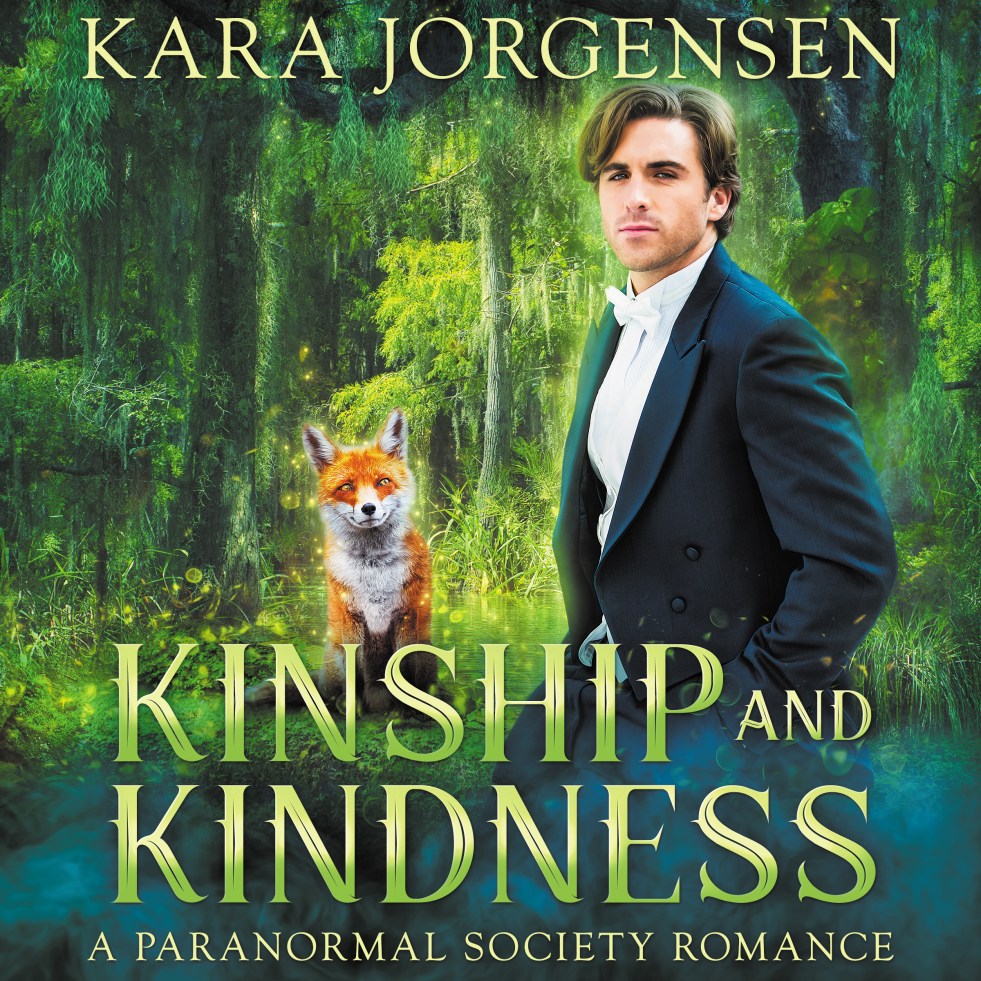
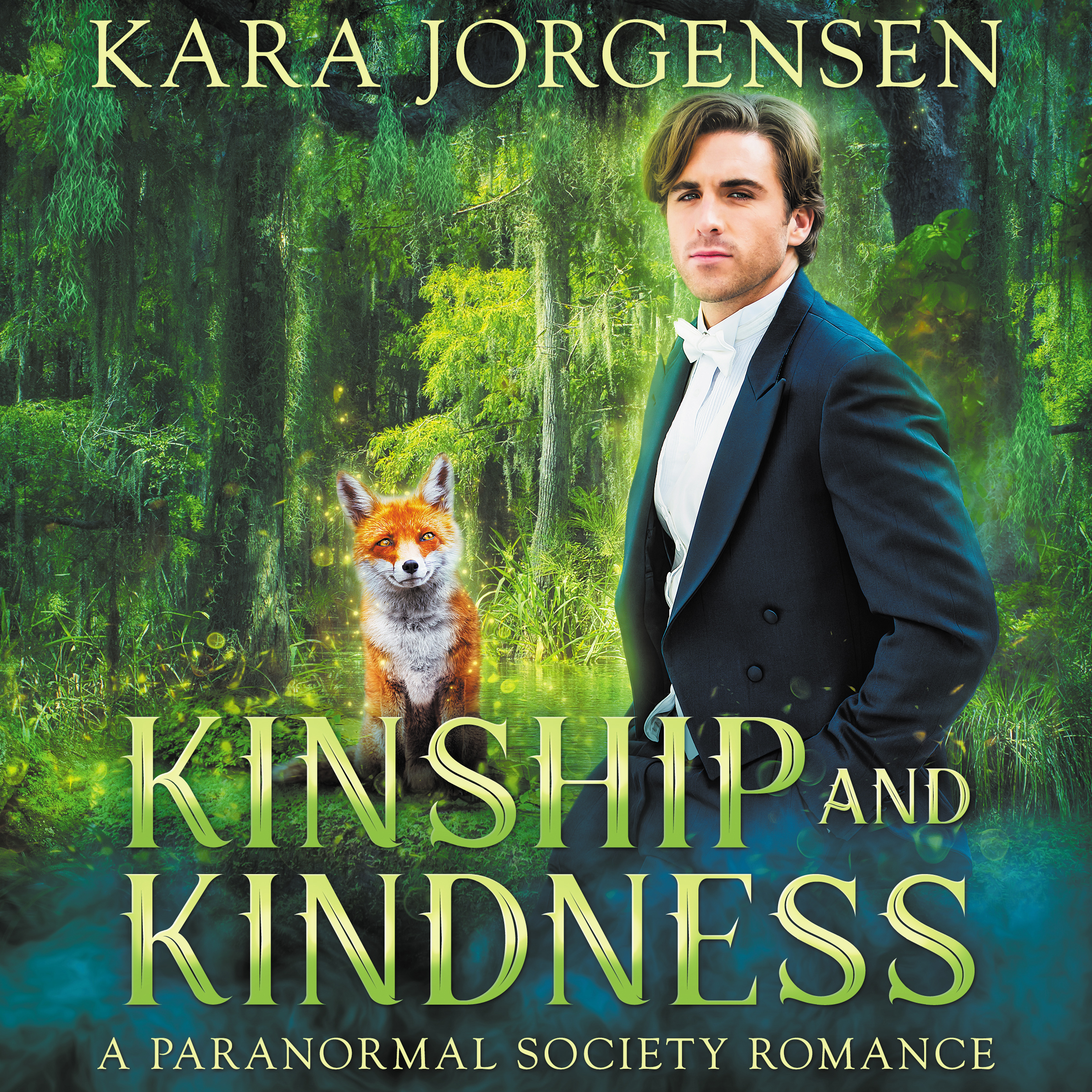
the audiobook cover for Kinship and Kindness by Kara Jorgensen

I’d like to interrupt your regularly scheduled scrolling because the audiobook of Kinship and Kindness is live! This book is one of my absolute favorites with a stress-baking werewolf leading a delegation in his father’s place and a fox shifter trying to get support for his shifter union back in NYC. The book came out in 2020, but I was really hoping to find a trans narrator since my main character, Bennett, is a trans man and I did! Jack R R Evans did an amazing job bringing Bennett, Theo, and everyone else to life. While proofing the audiobook, I was completely enraptured, and I am not the best at focusing while listening to audiobooks, but I was hooked.

Currently, Kinship and Kindness is available on Audible and Amazon, but it will be coming to iTunes as well. In the beginning of 2023, I’m also hoping to take it wide, so we will see.

For now, you can grab a copy at Audible or Amazon.

Writing

On Writing For Your Best Reader

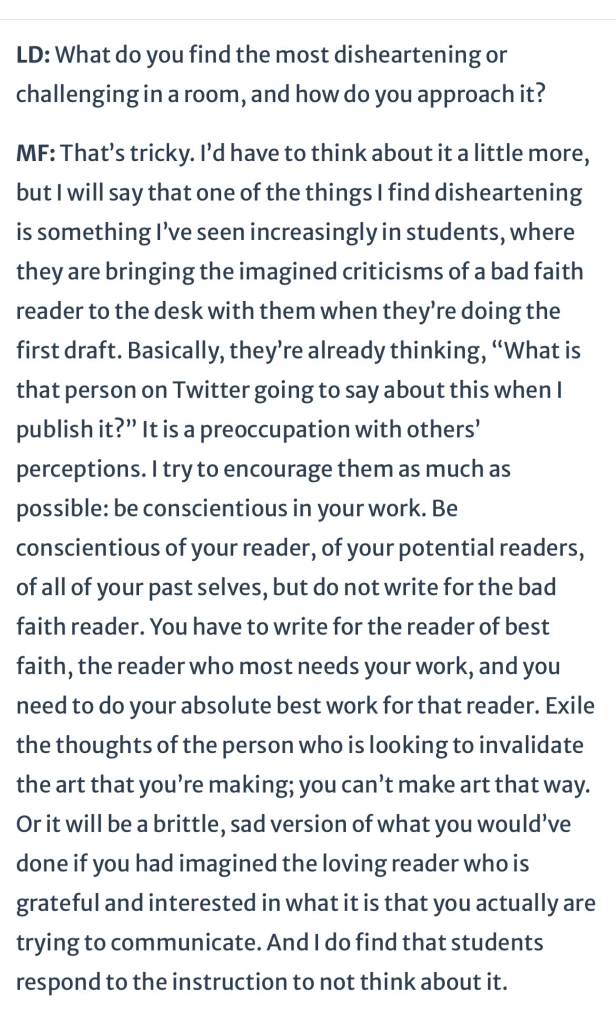
So I saw this screenshot on Twitter from an interview with Melissa Febos and it made me think a lot about what a lot of writers grapple with, especially writers that haven’t been publishing for very long. You can read it below.

There is a fundamental difference between not wanting to accidentally include something that is racist or -phobic (aka being a conscientious writer) and constantly worrying about what someone might say about your work. The former is being responsible. The latter is setting yourself up for failure.

Someone will always interpret your work in the worst way possible. Someone who doesn’t like you or started off your work on a bad foot will read it wrong. They will purposefully skew things and misinterpret them, just as they would something you said online or in real life. It is an inevitability. I’ve had reviews of my books where the reader thought I was referencing something I had never heard of or media I’ve never actually interacted with/watched. It’s going to happen, but the best thing to do is say, “This book isn’t for you.”

My book isn’t for that reader. My writing, my characters, my genres, my inner voice isn’t meant for that reader.

There’s a push online for universality of work. That things should be sanitized for everyone’s palates. Don’t rock the boat. Don’t be “offensive.” Offensive doesn’t even mean racist or -phobic in this sense. It’s just don’t upset other people, which is, frankly, ridiculous. My mere existence as a nonbinary, queer, neurodivergent person upsets some people. Should I stop? Should I sanitize myself to placate others?

In the same vein, we can’t neutralize fiction to avoid things that could upset people simply because you don’t want to see a bad review or have someone be rude to you on Twitter. We put up trigger or content warnings as a heads-up to keep from ruining someone’s day. That’s enough. You’ve given people warning. They have time to opt out before they get too deep or brace themselves knowing it’s coming. If they continue on or don’t read the warning, that is on them.

I used to get upset when I would get homophobic reviews on my books. I still do when I see my second book get returned on Amazon. That means someone read book 1, totally missed the heavy pro-queer message and got upset when book 2 focused on a gay couple. Those people aren’t my readers. A part of me relishes that they were offended. Good. Be mad. I did my job.

After eight books, I know who I write for. I write for other queer people who want to see themselves in stories set in the past, to know that they could have had a happy ending. That the world can be messy and cruel but there will be people who love and support you. You just have to find them or carve a place for yourself regardless of what others think. I write for the people who want that, and I market my books while highlighting those things.

New/young writers, I am begging you to write for yourself first and write for the people who would love your books second. Do not be under the illusion that everyone will love your books or that you need to write for the largest swathe of people possible. Yes, that will help with marketability, but is it fulfilling? Are you happy writing stories for people who wouldn’t appreciate you as a person? People who would read your book and enjoy it but not support you as a person are not your audience, or at least, I don’t think they are. I will happily take money from cis straight people who enjoy my work, but I’m not writing for them.

Being an author or creative in general means making yourself vulnerable. You’re flaying yourself open in your art for people to see the bits of you beneath the surface: the dreamer, the darkness, the sadness, the hope, the traumas we’ve maybe not spoken of aloud but permeate our work. Locking those things away to avoid scrutiny will leave your work flat. You can’t present yourself as the perfect person or your work as the paragon of goodness and still make something worth reading. People are messy. Characters are messy and should be. As creatives, I think we often need to have a long hard look at purity culture and remember that it upholds white supremacy and its values. Would you rather have someone misinterpret your characters in bad faith or uphold white supremacist values by sanitizing yourself and your work?
The answer feels pretty clear cut to me. Any time someone tells you to take things that aren’t truly offensive (aka not ableist, racist, -phobic) out of your book/work, ask yourself why? What standard is this upholding? If it has anything to do with goodness or purity, I’d think long and hard before changing it.

Personal Life

Quiet, Useful Objects

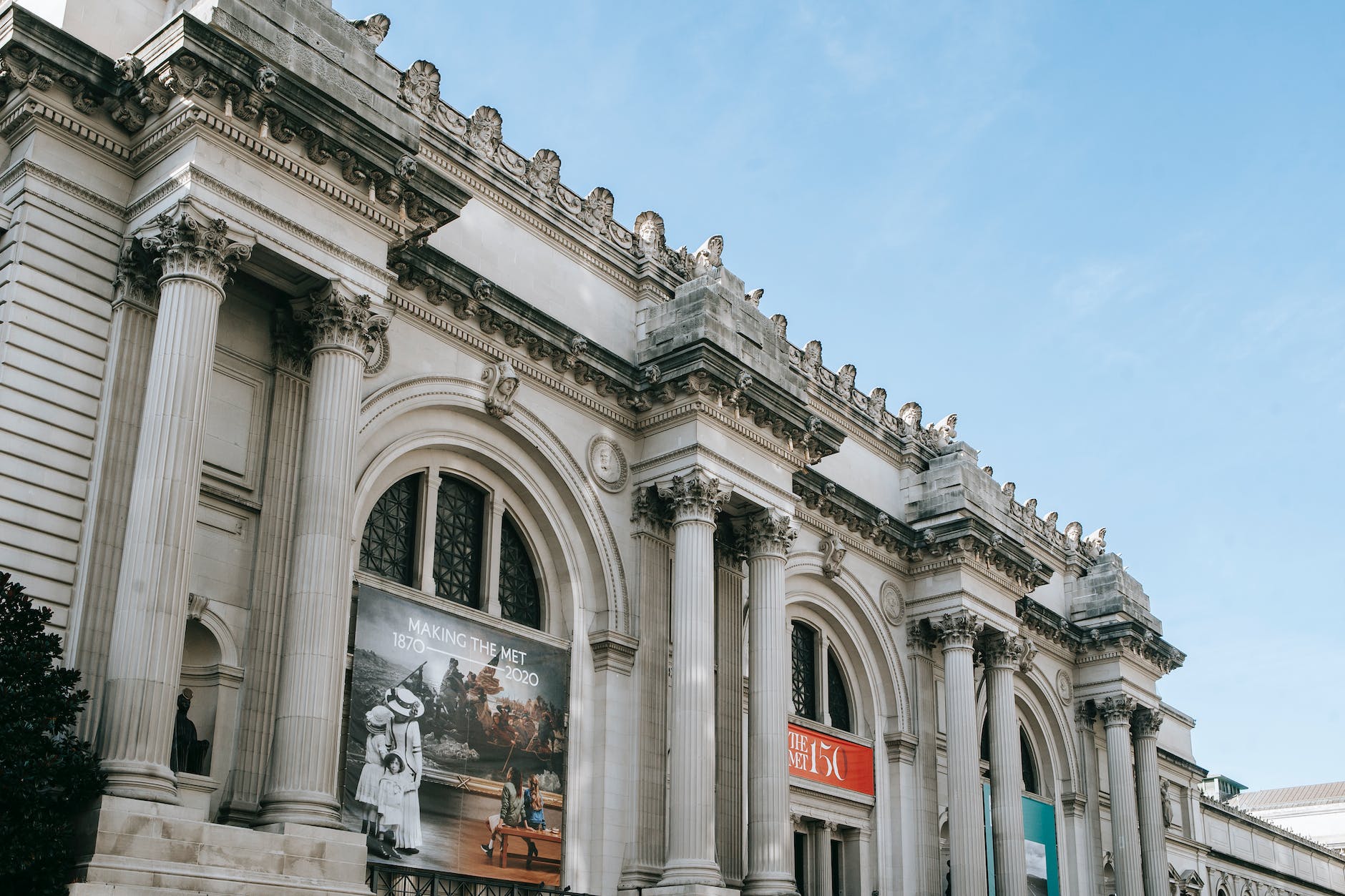
Something I’ve been longing to do but haven’t due to the pandemic is go to the Metropolitan Museum of Art. The museum looms largely in my mind because it’s one of the places I feel most peaceful, which is odd because the journey to and from the museum stresses me out and takes at least a day to recover from, but the museum itself is one of the few places where my head doesn’t feel like it’s constantly buzzing.

Photo by Charles Parker on Pexels.com

Part of that peace is that I’ve been there more than I’ve probably been to any location that isn’t a local store. For years, I made yearly birthday pilgrimages to the Met to visit my favorite pieces of art or walk along its stone halls and balconies hoping to see that one exhibit that always seems to be under renovation. When talking to friends, I’ve realized that my ideal trip to the Met is a little different than most.

When you first enter the Met, you can choose to go left to Rome and Greece or right to Egypt or straight ahead to the Byzantine/early Medieval galleries (this one being the least chosen path or only used as a way to reach the massive knee-breaking steps to the European painting galleries upstairs). I like to arrive early in the morning to avoid the crush of children and visitors in the summer, but even at the opening, Egypt is mobbed, and the galleries off the main room are a labyrinth. Instead, I make a break through the center galleries and head straight for the European Decorative Arts galleries. There’s the thrill of the chase to escape the bustle of the more popular exhibits, and the drop of blood pressure when the ceilings rise to reveal the two facades of the museum in the sculpture court, a gap where you can see that the museum was added onto in the early 1900s.

This is where I visit old friends. Winter by Houdon being the first sculpture I acknowledge upon arrival. Marble and bronze sculptures line the walls and break up the long courtyard, which ends in a glass wall where you can see Cleopatra’s Needle in Central Park. Standing in that gallery feels like standing in the intersection of time. Each wall is a different style, the art is a mix of classical and modern (for their time), and an Ancient Egyptian obelisk presides over it all while I stand watch in jeans and a t-shirt.

Surrounding this gallery are rooms that are filled with personal objects and antiques. These are far more modern than other parts of the museum, think 1600s and newer, but they are my favorite. My face is glued to cabinets full of miniature portraits of people whose names have no context but were loved enough to kept close. Desks inlaid with mother of pearl stars and stained with errant ink or painted fans carried to operas or balls steal my attention. I love detail. The pieces in the European Decorative Arts galleries are most certainly objects of the well-to-do, but they spark my imagination. There are few things that fascinate me more than a clever object that was as useful as it was beautiful. I try to imagine the world the object resided in before it came to the museum. What did it see sitting on a shelf in the parlor or at the edge of a desk? Best of all are the period rooms where the walls and furniture from a real place continents away have been installed in the museum. My back straightens and the world quiets as I stand in these rooms, the parquet floor whining under my soft steps. Who lived here and how did it feel long ago?

On the other side of the last few galleries is the American Wing, which is typically my last stop before lunch. One cannot journey back in time on an empty stomach. These galleries are much the same with lots of Federalist furniture pieces, window dressings on your historical drama. I try to picture Austen-like tales set against the backdrop of bright American wallpapers and sculpted pewter cups. There’s a strange section in this gallery that appears almost like an antique store. It’s row upon row upon row of glass cases filled with bedraggled furniture. A labyrinth to dead objects. All at once, I find it unsettling and comforting after seeing so much beauty. Chair legs chewed by a dog, seats that need restringing, a bed set stacked up without its mattress. The museum’s attic on full display.

The upper stories of the American Wing are lovely but unfortunately trigger my fear of heights. I creep away from the railing or cling to my partner in what I hope looks like casual affection but is bone-deep terror of crashing headfirst to the stone floor below. But I’ll do it to see intricate glass and metalwork done by artisans now nameless and faceless, skilled hands lost to time like the builders of pyramids. A sampler done by a child catches my eye, though I don’t know if she survived to adulthood. Embroideries, quilts, gloves covered in tiny stitches, women’s work taken for granted. That’s truly what catches my eye, the details taken for granted. The things we eat off and drink from, the decoration that sits on our desk for years, the handsome legs of a chair never noticed until put in isolation.

Quiet objects.

Perhaps that’s why I’m no longer called to Egypt or Rome or even the galleries of paintings. There is no quiet. Their grandiosity smothers me, and it’s too much. I’d rather spend my day studying the curves of a teapot than a tempest tossed sea or a ruler slaying the conquered in stone. Even in Egypt and Rome, I find myself gravitating to the broken pots, chunks of fabric, and unstrung jewelry. Disappointment washes over me when I read the tiny placard and know no more of how it was accomplished, how hands long ago weaved or carved or glazed to make a quiet, useful thing, a thing taken for granted for its normality. Still taken for granted today.

Monthly Review

August 2022 Wrap-Up Post

Somehow August was simultaneously the longest and shortest month. This was probably due to teaching a summer class that went at a breakneck pace while trying to finish up my book launch prep.

  • Stay on top of my summer class stuff (that runs from the beginning to the middle of August)
  • Set up the Blackboards for my fall classes (*quiet sobbing because I hate doing it*)
  • Edit the majority of The Reanimator’s Heart
  • Continue working on the newsletter freebie story
  • More graphics for TRH
  • Set up Google form for ARC copies of TRH
  • Read 8 books

Books

My goal was to read 8 books in August, and I read 10 books.

  1. Cafe con Lychee by Emery Lee- 4 stars, two teens who don’t get along band together to save their parents’ businesses
  2. Her Unexpected Roommate (#5) by Jackie Lau- 4 stars, absolutely loved these two, high anxiety MC meets human golden retriever MC is always a good combo
  3. Empty Smiles (#4) by Katherine Arden- 4 stars, a decent wrap up of this MG horror series
  4. The City of Brass (#1) by S. A. Chakraborty- 5 stars, I finished reading it and sat back like wtf and immediately looked for the sequel on my shelf
  5. Second Spear (#2) by Kerstin Hall- 4 stars, such good world-building in this book. A creepy world with a maze and a Cheshire Cat grin, yes please
  6. Fence: Rise (#5) by C.S. Pacat and Joanna the Mad- 4 stars, another bridge volume but I liked seeing the two MCs getting closer (though this is the slowest of burns ever)
  7. The Governess Affair (#0.5) by Courtney Milan- 4 stars, a vengeful accountant/”fixer” bringing down a duke because he hurt the woman he’s falling for is chef kiss
  8. The Duchess War (#1) by Courtney Milan- 4 stars, a historical romance between a duke trying to level the playing field for society by destroying the upper class from the inside out
  9. Saga (#7) by Brian K. Vaughn and Fiona Staples- 5 stars, reading in preparation for volume 10 coming out in October
  10. A Kiss for Midwinter (#1.5) by Courtney Milan- 4 stars, the ending sort of saved this book for me as I found the dynamic of the two MCs grating at times

Admin/Behind-the-scenes Author Stuff

  • Did round 1 of edits on The Reanimator’s Heart
  • Did round 2 of [micro] edits on The Reanimator’s Heart
  • Sent out ARCs of The Reanimator’s Heart to reviewers and peers
  • Incorporated beta reader feedback
  • Proof-read The Reanimator’s Heart and did all those edits (*laugh sob* should have done that BEFORE sending ARCs out)
  • Asked a few people to potentially blurb The Reanimator’s Heart
  • Formatted the paperback and ordered a proof copy, which looks awesome
  • Formatted the Kindle/Epub editions of the book (final, hopefully)
  • Set up all my pre-fall semester stuff for my classes (syllabi and Blackboard accounts- also realized I could clone Blackboards from previous semester, so yay time savings)
  • Taught my 3 week summer class and survived, lol
  • Made multiple book graphics

Blogs Posted


Writing

So there isn’t much to talk about here since I finished The Reanimator’s Heart in July. What I did do is plot part of my newsletter freebie “Flowers and Flourishing,” which I hope will not grow into a giant novel. *whispers* Please stay a novella or smaller; I am begging you.

This will follow characters you’ll meet in The Reanimator’s Heart but follows the format of Kinship and Kindness by being a queer romance featuring a shifter and a trans character, so it’s a sort of bridge between both series as they both involve the NYC Paranormal Society. In this case, it’s F/F romance with a lesbian jaguar shifter and a bi trans woman. The former is in a lavender marriage with one of the main characters in The Reanimator’s Heart.

PS- you can preorder The Reanimator’s Heart here.


Hopes for September

  • Maintain my mental health and a decent work-life balance while grading/teaching
  • Make my goals for quarter 4
  • Writing goal of 10k/12k/14k of “Flowers and Flourishing”
  • Deal with any last minute book BS that comes up for The Reanimator’s Heart
  • Blog weekly and put out my monthly newsletter
  • Maybe make another book trailer/Tiktok for The Reanimator’s Heart
  • Read 8 books
Personal Life · The Reanimator's Heart · Writing

The Fear of Success

This isn’t actually the post I had planned to put up this week, so bear with me if this seems off the cuff because it is.

Since the end of last year, I’ve been trying to get my shit together, especially in regard to my writing life. I ended up taking both of Sarra Canon’s classes, HB90 (a planning/goal setting system) and Publish and Thrive (a course on indie publishing), because I felt like I was spaghetti flinging hoping what I was doing would work. I’ve been sort of methodically moving forward trying to set and hit goals in order to move toward what I want. That goal is having more time for creative pursuits, leaning more into my writing, and only teaching at the university that gives me better opportunities and is better for my mental health but pays less. I have a chunk of savings as a cushion and have been trying to strategize how I can go about doing this in a way that doesn’t totally kick my butt and doesn’t depend on my partner landing a much better job as we cannot control that.

The Reanimator’s Heart has sort of been step one in that goal. It’s the project I’ve been working on since I started trying to get my shit together, and things have been going well. I do well with structure and goals, so I have surprised myself by actually getting a lot done. After taking Publish and Thrive, I was also able to brush up on what is working in indie publishing right now, and from watching various indie authors on Youtube, I’ve been working on my publishing strategy for this book. In the past, I’ve sort of just haphazardly launched things. I would let them rip as soon as I finished or not send them to any bloggers/ARC readers. I’ve certainly done things to tank my own success because I was more excited about people reading my work than doing a good job with the launch. This time, I’ve purposely slowed myself down, made lists, made a half-formed plan for releasing this book.

The problem is that I’m scared because it’s working.

Yes, I raised my eyebrow at myself too at the realization, but as reviews have been rolling in and people are enjoying the book, I’m panicking more. The cover is beautiful (thank you, Crowglass Design), the characters are lovable messes, and the pacing and such is solid. Between this book and Kinship and Kindness, I think my skills leveled up in certain areas, and that sort of rise and recognition of that rise is scaring me.

What if this is the best book I ever put out? What if everything after this is a disappointment?

Thus far, I haven’t gotten too far into my own head, but the panicked thoughts are seeping through more and more. The pitiful thing is that this isn’t like super viral panic-worthy success. This is “I’m doing better than my previous launch” success.

After everything that’s happened these past two years and my own issues with confidence as a creative person, I am always waiting for the shoe to drop and things to go wrong. It is an absolutely shitty way to look at life, but part of me feels like I should be bracing for impact instead of celebrating that things are going well. It’s possible to do both; I wildly vacillate between “Omg, look at my preorder numbers” and nail-biting panic.

Part of this, I think, has to do with also reaching outside my comfort zone with this launch. I set up my book with a review service, and I’ve reached out to a few authors I love and respect for potential blurbs, which I’ve never been brave enough to do. Pointing eyes to my work is something that could pan out for me, but also could potentially magnify the imperfections. Logically, I know not everyone will like my book. Certain people will absolutely hate Oliver and Felipe, which is fine. It really isn’t bad reviews that are bothering me (trust me, I’ve seen enough homophobia on The Gentleman Devil‘s reviews to cure me worrying about them). It’s a fear of success.

What if this book does really well? What if more people start reading my books? What if they’re disappointed when they go through my backlist and the rest of my books aren’t as good? What if nothing I write after this is as good as The Reanimator’s Heart? Or what if someone outside my usual circle sees it and sends the 1 star mob after me due to homophobia or whatever other assholery they can come up with?

Living in the age of the internet means constantly worrying about the wrong kind of attention for your creative projects, especially if you’re a queer author writing queer characters or in this case, a neurodivergent author writing neurodivergent characters. Will someone flag Oliver as “the wrong kind” of autistic and rip me and him to shreds? I could come up with a myriad of what-ifs at this point, all of which get more illogical and self-destructive.

On the flip side, I’m constantly trying to remind myself that people preordering and/or enjoying The Reanimator’s Heart is a good thing. It means I’ve done a decent job planning this launch, and that its success might move me a step closer to my goal of having more of an income from writing. This success isn’t random is something I have to remind myself. It means that I took the things I learned and applied them in a way that worked. Like I said earlier, this isn’t a runaway, gone viral, wtf happened kind of success. This is a building upon past success with previous books to make this launch even better. Sometimes I have to remind myself that I put in the work, and by doing so, things feel less out of my control.

I’m sure I’ll still have several absolute oh-shit panic moments between now and October 25th, but I’ll just reread this post and stare at all my past to-do lists to remind myself that months of work went into this launch and I should be proud of what I’ve done instead of scared.

If you’d like to help out while simultaneously adding to my panic, you can preorder The Reanimator’s Heart here. Paperbacks will be available closer to release day.