Monthly Review

My End of 2022 Reflection

I’m sure within the next few weeks, you all will be really sick of new year stuff, but I wanted to do a recap of everything that has happened this year and sort of parse out my feelings regarding 2022.

2022 has been the best year in a while for me. It feels odd for me to say that considering all the negative things that happened in 2021. Last year was rough. 2022 was a year of regaining my equilibrium and figuring out what my new normal is. Where 2021 put things in perspective, 2022 was a year where I actually started moving toward a future I want.

Before 2018, I was doing pretty well as an indie author, but I had massive burnout and depression that year, which tanked my writing and career in general. When I started to finally come out of it and focused on my writing again, the pandemic hit. This year, I decided to make a concerted effort to get my writing and author career back on track, and it worked. I wrote, edited, and published The Reanimator’s Heart, and I even wrote Flowers and Flourishing (a newsletter freebie coming in late January) during that time. What shocked me most this year was how much I accomplished and how much of an impact those things had on the success of The Reanimator’s Heart.

When I say The Reanimator’s Heart was the best book launch I ever had, I’m not exaggerating. I had over 100 preorders (nearly double of my previous best), lots of first week reviews, consistent sales, and so much buzz and support from my friends and readers. Words cannot describe how grateful I am for all the support I’ve gotten for this weird book. Never in my wildest dreams did I think an autistic necromancer and his undead love would get this kind of attention. I just wanted to write a book that appealed to me and was the right brand of weird to get me back into writing consistently again. Oliver and Felipe are a pair I cannot wait to write more of, and I will be publishing book 2, The Reanimator’s Soul, in 2023 (no preorder yet but you can add it on Goodreads). There will be at least one more book in the series as well, maybe two, so stay tuned for that.

My word of the year for 2022 was “rekindle” because I wanted to rekindle my career and my love of writing. I’m still in shock that I managed to do it, but I put in a lot of focused effort to get there. I did the HB90 class as well as Publish and Thrive to remind myself of good practices for authors and where to focus my energy. I advertised my books regularly online and did a decent job of preparing for my preorders campaign for The Reanimator’s Heart. Looking through my goals and notes for the year, I covered a lot of ground, and I am proud of myself for getting my shit together finally.

In a perfect world, I would love to be able to rely less on adjuncting for my income and rely more on my books and/or other creative endeavors. Previously, I’ve applied for lots of full-time jobs and got approximately zero interviews or responses (and yes, many were outside academia), so part of me wants to try working for myself more while I’m able to do so. I enjoy teaching a lot, but the tenuous nature of class quotas, universities deciding to cut or change programs, and just the general misery surrounding the way the humanities in academia have taken a nosedive makes me hesitant to put all my eggs in that poorly constructed basket. With my writing and creative stuff, I can’t control how much I make, but I can certainly influence it and do my best to set myself up for success. The fact that I can change things or make choices that work best for me is the greatest appeal. That and being neurodivergent, I don’t necessarily cope well with many traditional jobs, which sucks. I would love to be able to do so and have more stability, but thirty-one years of life has shown me I’m suited to the structure academia but they aren’t hiring, unfortunately.

When all is said and done, I’m really proud of what I’ve done this year and how I feel going into 2023. I hope this coming year moves me forward as 2022 did, but more than anything, I hope I can look back at 2023 next year and feel the same sense of pride and achievement. I’ll talk more about what I have planned for 2023 in a few weeks, but for now, I hope you all have a happy holiday season and a great new year.
organization

3 Ways I was Goal Setting Wrong

If you go back to a post from much earlier in the year, I talked about trying to get my shit together this year, and frankly, I have. Is it perfect? No. Have I achieved every goal I have set out to accomplish? Also no, but what I have done is far better than what I did from 2018 through 2021. The system I am currently using is Sarra Cannon’s HB90 system, which focuses on creating goals, projects, and tasks that span 90 days. I really like this system because I am very much a short-term thinker. When I do year-long goals, I fall off track, get horrendously behind, devolve into a pile of self-hating goo, and never recover. With a 90 system, I basically have four fresh starts throughout the year, and because the goals are for a shorter duration, it’s easier to figure out where I’m going off track and recover. Recovering is the most important part here, but there were a few major aspects to goal setting that I figured out along the way that had been holding me back in the past.

Not understanding the difference between wishes and goals.

I like to think of it like this: wishes are things you can’t control but want while goals are things you want but can control. The problem with new year goal setting is that people often set wishes rather than goals, and then, they beat themselves up when they don’t achieve those things. For instance, getting a specific kind of job isn’t a goal, it’s a wish. You can’t control the hiring process, you can’t control what jobs will be posted, but what you can control is setting yourself up for success while applying. Instead, you might make some goals like get feedback on resume from someone in industry, brush up on things related to the job, review interview questions, apply for twenty jobs. Those things are all within your control but will, hopefully, set yourself up for success with the thing you’re wishing to have. With the HB90 system, the goal would be “work toward getting a better job” with the projects and tasks all the things listed in the above goals section.

I was talking to my partner about this today because the thing that sets a lot of neurodivergent people back is rejection sensitivity, and sometimes this manifests especially hard when we treat our wishes as goals. When they don’t come true, we beat ourselves up extra hard. You only had three “goals,” so why couldn’t you manage to achieve those few things? Well, if they’re out of your control, you really can’t guarantee that.

If you reframe your overarching goals as wishes with various goals/projects/tasks/actionable steps under them, even if you don’t hit your actual target, you can still look at all the things you did and say, “Hey, I did all that I could to get to this thing. I did my best.” Alternatively, you could also look at what you did that didn’t work and try to figure out how you can change up your technique to do better next time.

For 2023, I’ve been working on my wishes for the year, which include things like

  • double my author income for the year
  • rely on adjuncting less
  • get a house

Some of my goals are

  • Finish the second Reanimator Mysteries book
  • Work more on fixing up my office
  • Research creating a sticker shop

What is actionable versus what is out of my control is far more obvious, and if the former don’t happen, I won’t beat myself up as much.

Not considering date-specific tasks

I don’t know if this is just a me problem, but I have a hard time keeping track of time/dates unless I can orient myself visually with a calendar, and sometimes when I’m doing my 90 day goal setting, I forget that I have to grade portfolios in December or that I get seasonal affect problems in November, which mixes with research papers coming in and tanks my brain. At the time, I was only focused on what I could cram into 90 days rather than those specific 90 days. What I’ve learned this past year is that I need to make a note for myself somewhere reminding me about my workload when making goals. I somehow forget that it fluctuates from month-to-month, and I am setting myself up for failure when I overload my plate.

If you’re a visually minded person, you might want to make a hypothetical calendar and mark out the busy times of the year. You might notice that one quarter has a lot more busy time than others, and you can plan accordingly. It’s better to under plan than over plan since you can always add more to your plate if it’s slower than usual. Obviously, it’s different if something sudden comes up, but I felt a bit silly that I forgot about grading piling up in Q4. The same goes for when you have vacations planned or a lot of birthdays that disrupt your weekends. You need to take into consideration that with each quarter, there are differences in energy levels and obligations.

Not prioritizing low v. high energy times

The HB90 system utilizes task blocks, which is basically half hour chunks of time that you would use for certain tasks. I haven’t quite nailed how long things take me to do yet, but what I ended up using the page for was marking out when I had work, when I ate, when I had daily chores to do. Then, using different markers, I delineated the times of day when my brain is at its best, then the middling periods, and finally the times when I tend to be rather useless.

What I used to do was think that I would be able to teach my night class and do all the things I could on an off day after my commute. I knew it was laughable. I knew I came home braindead after teaching and driving, yet I was hellbent on getting things done those days. If I could do it other days, I should be able to do the same on late class days. I actually started putting stickers in the box for the day of my late class to keep me from over-scheduling tasks. It was the easiest way to remind myself to rethink those choices.

What I’m doing now is using my energy chart to remind myself when it might be the best time to do certain tasks. At the same time, I plan on making a brief list of tasks that fit into each category in case I’m feeling aimless or forget what is reasonable for me to do at a certain time. It won’t be exhaustive or always work, but sometimes having those visual reminders is necessary.


I hope my list of screw ups helps you as you go into 2023 with your lists of goals or plans. Just remember that your productivity does not define your self-worth, and that even if you don’t hit a single goal, you still made progress along the way.

Personal Life · Writing

On Rest

I fucked up. That’s due to the belated realization that I didn’t listen to my body when I really needed to rest.

If you read last week’s blog post, you may have noticed the section on writing where I mentioned I struggled and was a bit fried. Historically, November is a bad month for me. It’s a yearly clusterfuck where lots of grading and keeping track of all the things my classes have due intersects with the time change and the days getting shorter, which also intersects with seeing giant NaNoWriMo word counts (this is a morale sapper since I write small-ish daily word counts). I logically know that November is a bad mental month for me as I tend to use up more brainpower between work and Christmas prep and have less spoons in general. And yet, my dumb ass continues to do what it has been doing at a pace it is not capable of without consequences.

I feel like I dragged my tired corpse through November while chanting the refrain of “You did it in October and September, and you can do it again.” Am I more organized and driven than I’ve been in previous years? Yes. Does November still kick my ass despite all that? Apparently so.

Since the end of last year, I’ve been using the HB90 method for goal setting, project planning, etc., and it has been very helpful. The problem is that I blissfully forgot or willfully ignored that November kicks my butt. Somehow, I thought, I have my shit together this year and am doing well. Surely this won’t happen this year.

Sadly, I felt it coming before I was aware of what was happening and still ignored it. I struggled at the end of October to get through my word count goals. I chocked that up to my book launching and not really having my head fully in the game due to launch anxiety, which was a reasonable assessment. The problem was that the feeling persisted into November and only got worse. By the middle of November, I was drained. I had edited a bunch of research papers (longest and most thorough paper my students write, which means it takes the most brain power to give feedback on), I was struggling to read books with any consistency (a major red flag for me), and my writing was only happening in fits and starts. I would fall behind, then pound out a thousand words, then not write again for several days in an endless cycle of misery and disappointment. The biggest, most obvious indication should have been the all-consuming yearning to play Stardew Valley. Yes, my friends, my desire to play that video game usually means my brain is shot and needs serotonin. I can mindless do tasks, play for hours, and feel accomplished as my crops grow and I romance Shane, my favorite hot mess. It’s something I know is basically my check engine light coming on, but I ignored it anyway because I was already behind on my writing and I couldn’t fall more behind playing video games.

Well, guess what, I never caught up. At some point, I hit 8,000 of the 10,000 words and said, we’re good. I admitted defeat after blowing a tire on my car in a near accident. I’m now starting to wonder if the brain drain contributed to that as well, but it was the wake up call I needed to stop for a bit and try to refill my creative well. Since the very end of November, I’ve been reading more, just sort of vegging while watching shows I like, and playing a bit of Stardew Valley before bed. It has helped a lot. I’m starting to feel like I can think straight again, though I know some of that is because the semester is also about to end.

If there’s one thing I need to get better at, it’s listening to my body when it comes to productivity and writing. It gave me so many warning signs that I need to pause for a day or two, but I ignored them to avoid “falling behind” on arbitrary deadlines I set for myself. Now, instead of taking a day or two off to reset, I’ve had to take a full week off. It certainly isn’t the worst outcome, but I’m annoyed at myself for making things needlessly worse. In my bullet journal for 2023, I’m going to make a signs of burnout page to remind myself that sometimes I need to just rest and decompress, that the work will be there tomorrow, and the only one putting pressure on me is me.

If you’re like me and starting to feel the chafe of burnout, please, take a step back, do something that brings you joy, and just exist for a bit. Don’t do or try to force, just rest. Whatever resting looks like to you, take this as the universe’s way of telling you to go rest. You deserve it, you don’t need to earn it, just give the well a chance to refill.

Monthly Review

November 2022 Wrap-Up Post

This month was a struggle, as November almost always is. Between getting a lot of papers and work to grade, the time change, anxiety, and holiday stuff, I feel like I did not get as much done as I would have liked to. I’m trying hard not to beat myself up over it because I did the best I could with what I had in my mental reserves. This might also be a bit of a wake-up call to me [again] about making sure to refill the creative well instead of trying to steamroller forward even when I’m mentally exhausted. I also got into a minor car accident (got cut off and popped a tire running off the road), which made my anxiety skyrocket at the end of the month. If this is my “worst” month this year, I still think I did pretty damn good. Anyway, let’s see what my goals for November were.

  • Read 8 books
  • Blog weekly and put out the monthly newsletter
  • Keep marketing The Reanimator’s Heart
  • Word count goals for “Flowers and Flourishing”
    • Minimum- 10k
    • Intermediate- 12.5k
    • Stretch- 15k
  • Shop for majority of the Christmas presents
  • Actually work on that spring class’s lesson plans
  • Do something relaxing- not sure what exactly but video games, drawing, crafts count

Books

My goal for November was to read 8 books, and I read 8 books.

  1. The Ancient Magus’s Bride Vol. 16 by Kore Yamazaki- 4 stars, I like that we’re finally coming to a head with the antagonist in this arc. It could be its own manga series with how long it’s been.
  2. The Stand-Up Groomsman (#2) by Jackie Lau- 4 stars, loved this one. The MCs don’t hit it off initially when standoffish meets high energy comedian, but the way they truly see each other is *chef kiss*
  3. Even Though I Knew the End by C. L. Polk- 5 stars, demons, angels, and collected souls in 1920s Chicago with a queer cast? Yes please. Very short but very good.
  4. A Gathering Storm by Joanna Chambers- 4 stars, loved the disability rep with the MCs voice issue and [potential] neurodivergence along with the interweaving of spiritualism and grief.
  5. Hamnet by Maggie O’Farrell- 4 stars, a fiction/nonfiction interweaving of Shakespeare’s dead son, Hamnet, and his character Hamlet where the supernatural infuses the essence of the family’s life. Really interesting, definitely edges into lit fic stylistically.
  6. The Solstice Cabin (#4) by Arden Powell- 4 stars, magical 1920s Canada where one MC follows the other nearly to the ends of the earth for love.
  7. Skeleton Song (#7.7) by Seanan McGuire- 4 stars, a short story showing how Christopher fell into Mariposa and met the skeleton girl.
  8. What the Dead Know by Nghi Vo- 4 stars, fake psychics get more than they bargained for when putting on a seance at an all girls’ magical school.

Admin/Behind-the-Scenes Stuff

  • Marketed The Reanimator’s Heart a lot during the month
  • Sent out more audio review copies of Kinship and Kindness
  • Made a temporary cover for Flowers and Flourishing
  • Made a Goodreads page for Flowers and Flourishing
  • Wrote the blurb for Flowers and Flourishing
  • Did the majority of my Christmas shopping (very happy about this scrambling in December stresses me out)
  • Graded so a shit ton of papers *laugh sob*
  • Got a new tire put on my car because I got run off the road (yes, I’m fine, just freaked out)
  • Made email adverts for the class I’m teaching in the spring semester

As a side note, I did not touch my lesson plans for next semester at all. It has been pushed back once again. If I get through half of my plans in December, I’ll be happy.


Blogs Posted


Writing

How did writing go? Badly, lol. The sad part is that the words were good. The vast majority of what I wrote won’t require major edits or rewrites. It’s just the quantity that went wrong. As mentioned in my blog post on NaNoWriMo, I hate November. It’s the month when my brain nosedives due to seeing high NaNo word counts, the weather/time change, and all the grading I’m doing. I had wanted to write at least 10,000 words. Instead, I wrote 8,000 words, and the process was torturous. Luckily, I’m writing a novella, so I’m really not that behind at this point and will have it out on time as long as I don’t totally tank in December.

  • Week 1- 0 words (6 day week)
  • Week 2- 4,000 words, 571 words/day, (didn’t write for 2 days)
  • Week 3- 1,300 words, 186 words/day (didn’t write for 3 days)
  • Week 4- 1,300 words, 186 words/day (didn’t write for 3 days)
  • Week 5- 1,400 words, 467 words/day (3 day week, didn’t write 1 of those days)

Hopes for December

  • Finish writing Flowers and Flourishing
  • Edit Flowers and Flourishing
  • Read 8 books
  • Blog weekly and send out my December newsletter
  • Finish Christmas prep
  • Have 6 weeks of lessons prepped/outlined for next semester
  • Set goals for Q1 of 2023
Writing

Why I Never NaNo

I have held off writing this post until the end of the month because I didn’t want to “yuck anyone’s yum” as the kids say. I have no beef with other people participating in NaNoWriMo (National Novel Writing Month), but for me, NaNo is a no-go. And I wanted to write about it for the writers who feel discouraged that they struggle to do NaNo or don’t like to do it, especially when it seems like everyone is participating, except you.

I jokingly refer to NaNoWriMo as “No Words November” for me. Where other people see synergy and community, I find myself crushed beneath other people’s massive (for me) daily word counts. Comparison-itis hits, and it hits HARD. My soul dies incrementally at the beginning of November with each friend who participates and posts that they wrote 2,000+ words in a day. On a personal level, I am very happy for them that they’re making progress and don’t want to mute the word or my friends for a month, but my inner writer is screaming in panic as I am lucky if I get 500 words a day during November. The more I see the large numbers, the worse it gets to the point that I often get so far in my head that I stop writing in November. This has happened repeatedly.

This is a me problem. I know it is, and I know I need to work on my comparison-itis, but I think for people who tend to be slower writers or who don’t zero draft, NaNo feels like an insurmountable task. During the height of the semester, I’m lucky if I can get 10,000 words a month. Part of my personal grudge against NaNo is that it’s in November, which is when I am a) perpetually exhausted from the time change/weather b) under a mountain of grading because that’s when the long papers roll in. It’s just not a convenient time for me as a professor to be doing anything extra, let alone stretching way past my normal word count.

If we could shift NaNo to like June, that would be great. I vividly remember being in college and one of my friends having a meltdown because she was behind her NaNo goal and her schoolwork, which she sacrificed to write more. I wanted to shake her. NaNo is one month, grades are forever. The same rule applies as an adult with a job. I’m not sacrificing my mental health and totally stressing myself out for something that in the long run doesn’t matter. NaNo is just another month, just another arbitrary activity, and my life and worth doesn’t hinge on a word count.

My process also doesn’t work with NaNo. The typical wisdom is that you shouldn’t edit as you go, which I have to do. Editing is my warm-up before I start my next writing session, and it keeps me from having to do a massive amount of editing at the end of my draft. On top of that, I am a plantser/gardener. This means that I don’t usually have an outline before I start writing or, if I do, it’s on an act-by-act basis or only a few scenes ahead at a time. Not being a plotter means that either I have to zero draft (messy, scant rough draft), which I really don’t like to do, or I need to rapidly figure out where the hell I’m going. My lack of forethought does not lend itself to this process. I do not like cleaning up a mess. I am the kind of person who cleans the bowls and pans as they cook instead of dealing with a giant mess at the end. The same holds true for writing. Without being able to edit as I go or having the time to do so while writing so much, it really isn’t worth it for me as I will struggle to finish a book that requires that much editing.

Know yourself and your process should be the main takeaway from this blog post. If traditional NaNoWriMo works well with your writing process, then you should definitely go for it, but if it doesn’t work for you or the way you write, it might not make sense to go for 50k words in a month and wreck your mental health or manuscript. Every year the FOMO gets me during week 1 when everyone’s energy is high and they are so enthused, but once the stressed posts set in, I realize why I don’t torture myself. I know I would hitch my self-worth as a writer to those giant (for me) daily word counts, and things would not end well.

If you haven’t enjoyed NaNo this year but feel like it’s necessary or a hallmark of a “real” writer/author, it isn’t. I have never won NaNo. I have only tried twice and failed both times. Camp NaNo where I’ve stuck to a more reasonable word count goal is the only way I can do NaNo. I have eight books out with several more cooking, so don’t feel bad if NaNo just doesn’t jive for you. You certainly don’t need to do it in order to finish your manuscript or to find a supportive writing community. You can do that all on your own any month of the year.

Personal Life

On Autistic (Un)masking

Something I have been trying to do these past few months is mask less. Masking in this case is not trying to act neurotypical. Most autistic and neurodivergent people fake it til we make it. We know there is a social protocol that we should follow, whether it makes any logical sense to us or not. If you aren’t sure what I mean, here’s an example: When someone says, “How are you?” they really aren’t asking how you are. Unless they are a very good friend or your partner or someone on that level, they don’t care. It’s an empty small talk question, and the only acceptable answer is good, okay, or to complain about something you both don’t like (like work or a sports team losing). If you say, “Ugh, my IBS was acting up over the weekend and I’m exhausted,” they will look at you like you have lost your mind or stop asking you how you are. Or my absolute favorite, they will ask and keep walking. Tell me you don’t care without telling me you don’t care.

Anyway, masking is somehow equal parts passive and purposeful. There are times when the mask just automatically appears, like someone catches you off-guard or you say your automatic responses to things. For people who may not realize they’re autistic or can’t unmask, it will be far more automatic but still completely exhausting. Most of the time, masking is something we feel keenly, especially if we’ve been doing it for a long time. It’s the mental equivalent of unzipping a tight pair of pants when you get home or tossing off your bra after work. When I’m masking, I’m constantly doing mental calculations. Am I holding eye contact long enough? Am I doing it too long? Do people think I’m being shifty? Am I talking about something inappropriate? Have I said something by accident that will make my friend hate me? Masking makes any prolonged social interaction something I need days to recover from. Being “normal” is exhausting, and even masking, I don’t do a terribly good job.

What I’ve tried doing is essentially “coming out” as autistic to my students. Quite a few of them are neurodivergent, which helps. I don’t lead with it day one, but I make it clear that I accept self-diagnoses and self-made accommodations for people who are neurodivergent. Once I start talking, I’m sure some have an inkling. Eventually this semester, I came out to both classes sort of by accident, and it was a MASSIVE relief. I still watch my words and make sure I don’t accidentally hurt someone’s feelings, but not having to worry about eye contact or modulating my speech patterns makes teaching so much less exhausting. Personally, I think I’m more engaging when I loosen up and allow myself to be weird in class (especially knowing the laughs I receive are not mocking). The hope is that it will also make my students more comfortable, and for some, meeting a neurodivergent professor and/or writer may also be affirming.

The problem is that because I’m masking less, when I feel like I need to mask due to the situation (doctor’s office, grocery store, extended family, etc.), it is exhausting. It is so much worse than it usually is because I’m not accustomed to doing it as much. It’s like not exercising and being told to run a mile. I just want to collapse in a heap of social exhaustion after masking now. I used to be able to sort of hold it off until I totally fried myself, which is not great, and it sucks because I want to mask less. I need to. It’s better for my mental health to not be “on” constantly, especially when being “on,” is being akin to being a different person. But I can’t not mask all the time because it isn’t safe to, and the social repercussions of being unmasked around people who don’t understand are not worth the backlash. I absolutely dread the times I need to socially mask now, and I hate how much I’m not looking forward to holiday gatherings because of it. You would think family would be the people you could be yourself with, but when they think of autism as only non-verbal people who have high needs, they don’t believe you, even if you meet the criteria in spades and they think you’re weird.

I’m already still semi in the closet with being queer and nonbinary around my family, so compounding it with not outing myself as autistic, creates a day full of exhaustion and stifling un-Kara-ness. The stiff smiling, awkward(er) version of me feels so pale in comparison to the vibrant weirdo I know I can be when I’m with my students or my friends/partner. I just wish I felt comfortable letting that version of me out more often.

Writing

Introducing Flowers and Flourishing

If you’re part of my newsletter (see the menu on the top bar if you want to join) or like to check out my works in progress page, you’ve probably seen me mention Flowers and Flourishing, which is going to be a newsletter freebie for all of my subscribers and will be going out in early 2023 (I’m hoping for January, but we’ll see). My plan is to launch this book as a freebie first, and eventually, I may add a few more short stories along the way (also free to subscribers). Once I have those, I will package them into a larger work that will be something like Flowers and Flourishing and Other Stories from the Paranormal Society, which will be available for purchase at online retailers. I do not have a timeline for that yet because I haven’t written or conceived of the other short stories, except for Flowers and Flourishing and one idea I have brewing about the origin of two side characters in The Reanimator’s Heart.

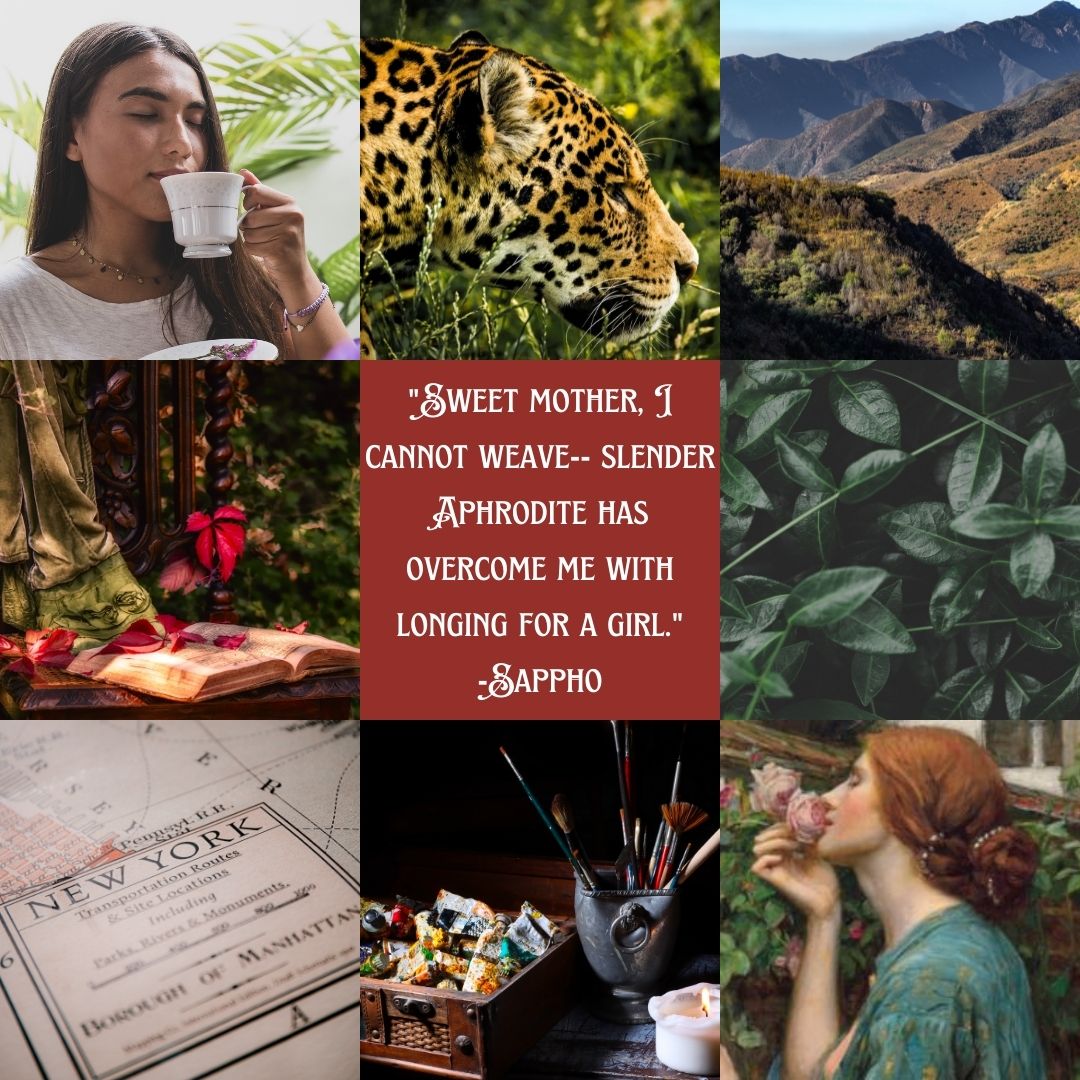
But I digress. So what you’re probably wondering is what is Flowers and Flourishing about. Below is a little aesthetic board I created for Louisa and Agatha and beneath that, the blurb.

The plan had been simple: arrange a marriage of convenience with her best friend, get him a position at the Paranormal Society, and get the hell out of California, but even the best laid plans go awry. What Louisa Galvan never accounted for was Felipe being transferred to Manhattan or finding a woman like Agatha Pfeiffer.

Agatha hadn’t asked to be a plantmancer. Her dream had always been to become a professional artist, but after hours sweltering in the Paranormal Society’s greenhouses, painting is impossible. In exchange for time off, Agatha is expected to convince Louisa to stay at the Manhattan Branch, but she quickly finds her reasons are wholly selfish.

As their feelings grow, Louisa realizes she has two choices: continue to hide or reach for a life she never knew was possible and convince Agatha to come with her. But Agatha and Louisa aren’t the only ones conspiring. Can Louisa convince Agatha that she deserves the life of her dreams or will their love wither on the vine?


As you have probably guessed, Flowers and Flourishing is a sapphic story set about twenty years before the events of The Reanimator’s Heart and Kinship and Kindness. It is the story of how Felipe’s lavender marriage wife, Louisa, came to meet and fall in love with her partner Agatha. Louisa is a cis lesbian who happens to be a jaguar shifter while Agatha is a bi trans woman who is a plantmancer. It’s a pretty low blood pressure novella with some steamy moments and nods to the queer artists of the past. I hope you’ll join my newsletter and stick around for this novella when it releases in January.

Writing

The Truth About Critique Groups

Before I get started, I want to make it clear that I believe writing critique groups can be a fantastic resource for bettering your craft if you’re in a group with the right people and dynamic. The key word is if. I should also specify what I mean by critique group. Other names for this might be a beta reading group or workshop group. I use these in my creative writing classes and participated in them in graduate school while getting my MFA in creative writing. Overall, I really enjoyed getting feedback on my work and I find my students get some valuable input regarding their pieces, but outside of a scholastic setting (and inside it if your professor isn’t actively working to keep it from going toxic), they can be very hit or miss. I have put rules in place in my classes to maintain order and keep the participants in my workshops happy, or at least, I try to keep them from leaving workshop dissatisfied. Here are some factors you may want to keep in mind if you are trying to create a workshop group of your own:

Find people close in skill or career level.

The problem with critique groups is that, ultimately, someone always get screwed over if the group dynamic isn’t perfect. To have a successful critique group, you need to have people who are of a very similar level in terms of skill. This means skill as a writer and skill as an editor. Sometimes you have someone who is a better editor than writer, which means they can be a very useful feedback partner, but if you have people of very different skill levels, the lower members of the group might feel like the feedback they get is harsh (especially compared to the feedback others are getting) and the higher members will get useless feedback that strokes the ego but doesn’t really improve their work. As much as I love a good ego pat in a workshop group, it’s demoralizing when week after week, you get told, “great job!” and nothing more. The highest people aren’t getting anything out of it. The lower people are made to feel bad if they aren’t accustomed to feedback or the other members are harsh/rude/not focusing on big picture issues. Often a lower writer will get a shit ton of knitpicky feedback, which is overwhelming but not useful if what they really need to focus on are big picture issues like character development or pacing. The people in the middle who are all close in terms of skill level or are in a place where they’re upwardly mobile with their skills gain the most from the group.

Be selective and expect change.

At some point, people will come and go from the group. That is just a fact of life, but as people outgrow the group or stop writing due to whatever reason, the group will change, and you will need to be careful about maintaining the dynamic within the group. It sucks because many of us in writing groups become friends or start to depend on people within those groups to give good feedback. At the same time, if you are in a group and find you aren’t getting anything out of it, don’t be guilt tripped into staying. The whole point of a group like this is that everyone should benefit. If you find you’re giving good feedback and getting nothing or if you find that your personalities aren’t meshing, leaving is probably for the best. For those creating a workshop group, I highly suggest being at least semi selective. You want people who are of similar skill levels, so you might want to ask to see their work and/or have them give feedback on a piece. I wouldn’t focus on grammar and such, as that is an easy fix, but check if their level of craft would meld well with the rest of the group. Some might think this is being elitist or exclusionary, but in order for a group like this to work, you can’t have a brand new writer stumbling into a group of seasoned writers where they are completely out of their depth and vice versa.

Rules, rules, rules.

The other issue is that you really need some sort of mediation or rules to keep the group structured. What I’ve seen happen online is that there’s one eager person who posts A LOT of material and asks for feedback while others post less often. Resentment grows for the frequent poster and the responses to their work dwindles, especially if they aren’t as eager to give feedback. Basically, the give-and-take balance needs to be maintained. With a workshop in a class, it’s fairly easy to maintain that balance because workshops happen at regular intervals, everyone [hypothetically] posts their work to their group, and those group members [hypothetically] respond to everyone within the group. There’s equal give-and-take and a fairly standardized amount of work that can be submitted. This keeps one person from completely overwhelming the group or being the only one giving feedback all the time. My suggestion would be to make subgroups if the group is decently large (keeping groups to 4 or less people) or create some sort of posting schedule with page limits to keep one person from monopolizing the group. Trust me when I say that in grad school, the person who handed in 10 pages when the limit was 5 got many a resentful eye roll during class. Don’t be that person. You also need admins to enforce the rules fairly and maintain some semblance of order. Toss out those who don’t pull their weight or repeatedly break the rules.

Use virtual meetings apps for workshops.

Something that I am very adamant about with my students is that they give feedback face-to-face or at least voice-to-voice. The problem with leaving feedback without explaining it aloud is tone. It is so easy to get bent out of shape because you think someone is being harsh when they don’t intend to. On top of that, people are less predisposed to casual nastiness if they know they have to say it to the person’s face. I have gotten myself in trouble as college student because I posted feedback to a classmate that they took issue with. I was too blunt and they took it more harshly than I intended. Face-to-face allows for tone or clarification along side written or in-text feedback. I have used Google Meets with my students, which has worked well, and I would imagine something like Discord would work as well. If you are able, I would suggest setting a time that works well for the group and holding it at the same time at regular intervals.

Don’t be an asshole.

I stress to my students that criticism really means constructive feedback, not strictly negative feedback. Constructive feedback instructs the person on what needs to be fixed, is specific, and possibly suggests how to fix it. If you just say, “it sucked,” or “I hate this character,” or “I liked it,” that isn’t helpful at all. Don’t be the person who is needlessly harsh to others. As someone on Twitter once said, “When you’re brutally honest, people remember the brutality, not the honesty.” Make sure your feedback is helpful and coming from a place of instruction and wanting the person to better themselves. How would you feel if someone gave your best friend that feedback? Would you be mad for them? I know we all think we can dish it and take it, but consider if you would be pissed hearing your bestie get the feedback you’re giving others. If you find someone in your group is giving feedback that is harsh (but not offensive), have a discussion to correct them. It might be difficult if they struggle with tone as some people do, but if they can give extra explanation/context with their feedback, it may smooth things over.

At the same time, expect to get criticized.

The inverse of the previous issue is that some people cannot handle getting non-positive feedback. If you’re one of those people who is easily wounded by criticism, don’t join a critique group unless you are purposely working to modulate those feelings. Otherwise, you’re going to resent the people in your group or tank your mental health if you take every bit of criticism as evidence your work sucks. The best writer still has room for growth, and if you join a writing group, you should expect that others might point out where you need to work on your craft. Positive feedback only isn’t going to help you grow. That’s just a fact of learning. I think it’s important to be told what you’re good at, but too much only grows the ego. I find people who reject all feedback as a personal attack particularly annoying in a workshop group, usually because they’re very willing to critique others (hypocritical) or all their feedback is praise (useless). They’re usually the hardest to correct. If you see yourself in this description or take personal offense, you may want to work on your ability to take feedback before you start asking for it. It only gets worse once strangers on the internet read your work.

Those are my tips for how to best deal with a workshop group. If you’re starting your own, please consider the logistics ahead of time, if you’re able to put in the time and effort required, and if the people you invite to join are as committed as you are.

Monthly Review

October 2022 Wrap-Up Post

Most of October was taken up with release day preparations and anxiety for The Reanimator’s Heart. I was super hyped about it, but I’m not going to lie, it sort of stole my attention and ability to focus because I was constantly worried about something going wrong or forgetting something important. Overall though, the month went very well, and I want to thank everyone who preordered, reviewed, or shared the posts for TRH on social media. You all are awesome. Anywho, let’s check out the goals I made last month for October and how we did.

  • Have a good launch for The Reanimator’s Heart (aka release ebook and paperback and maybe hit my stretch goal for my preorders)
  • Start prepping the weekly notes for my spring classes as they are both new *laugh sob*
  • Writing goal
    • Minimum goal: 10,000 words
    • Normal goal: 12,500 words
    • Stretch goal: 15,000 words
  • Read 8 books
  • Blog weekly and put out my monthly newsletter
  • Enjoy doing fall/Halloween stuff

Books

My goal for October was to read 8 books, and I read 11 books.

  1. Lab Girl by Hope Jahren– 4 stars, a memoir about being a woman in STEM while dealing with mental illness and life. Very interesting, especially if you’re into trees/plant science. It was as much about her life as it was about the science she studies.
  2. Saga Vol 9 by Brian K. Vaughn and Fiona Staples– 4 stars, rereading in preparation for volume 10’s release
  3. Saga Vol 10 by Brian K. Vaughn and Fiona Staples– 4 stars, definitely worth the wait, though the body count is getting high. I’m looking forward to the rest of the series and how things change/grow going forward.
  4. Three Kings by Freydís Moon– 5 stars, I had the honor of reading this book in order to blurb it. It is a M/M/M book featuring a trans main character, his husband, and a selkie that washes up by their lighthouse. Lots of magic and coziness to balance the sensuality.
  5. Carmilla by J. Sheridan Le Fanu– 4 stars, I read this as research for “Flowers and Flourishing” and greatly enjoyed it. Definitely has those sapphic vibes, even if Carmilla is a vampire who just wants to drain poor oblivious Laura. Highly recommend for vampire lovers.
  6. Obsidian Island by Arden Powell– 4 stars, a shipwreck, four castaways, and a lush island that is more than it seems, completely with a creepy tree, tropical birds, and giant bugs
  7. Lore Olympus Vol 3 by Rachel Smythe– 4 stars, Hades and Persephone are lovely messes, and I really enjoyed this volume as we got to see more of how the underworld works and the fits and starts of these two figuring out what they want.
  8. Temporary by Hilary Leichter– 3 stars (more like a 2.5), this was recommended by a friend and I didn’t love it. It’s just sort of the pretentious yet empty lit fic I would have read in my MFA program. There were moments where it had something going, then the author moved on and it disintegrated. Is it trying to be funny? Is it trying to be profound? I don’t think the author even knows, but it was short, so I finished it.
  9. Daniel Cabot Puts Down Roots (#3) by Cat Sebastian– 5 stars, a music reviewer (ADHD-er) falls into the life of an autistic doctor and their lives meld together seamlessly that only they don’t seem to realize they’re in a relationship. It was absolutely lovely, especially the bits about community and family (found and blood)
  10. Into the Riverlands (#3) by Nghi Vo– 4 stars, Chih (a cleric who records history) runs into a group of martial artists who are more than what they seem. Once again, the narratives in a narrative and unfolding of Vo’s layered plots held me rapt.
  11. Exodus 20:3 by Freydís Moon– 4 stars, a trans man is trying to get his life together only to find himself rehabbing a church with a man who happens to be a monstrous yet attractive Biblical-style angel

Admin/Behind-the-Scenes Stuff

  • Made quite a few graphics for The Reanimator’s Heart, including ones for reviews and blurbs from Magen Cubed and Cat Sebastian (they both are awesome)
  • Posted weekly on social media until release day
  • Blurbed my first book as an author (Three Kings)! Blurbing is when an author gives another author a marketing tagline they can use on their books or social media. I was very excited to blurb for an author I really like and respect.
  • Revised my paperback for The Reanimator’s Heart and released it
  • Contacted my narrator about doing the audiobook for The Reanimator’s Heart
  • Got a commission of Oliver and Felipe from Kay Fine. You can see it here. I’ll add it to the art page soon. As an FYI this is not cannon in book 1, but it will be in a future book (not spoilery)
  • One of my ARC readers is also an AMAZING artist, and she made fan art of Oliver and Felipe that is absolutely mind blowing. Definitely follow OblivionsDream on IG, Twitter, or Tumblr. You can see the picture here.
  • My partner and I split the cost of a cheaper tablet in hopes that I can get into digital art again (after like 15+ years of not doing it) and to do some writing away from the computer.
  • Turns out that I’m only teaching one new class next semester, which is a bit of a relief in terms of prep workload. Sadly, it isn’t the one I was super hyped about, but I didn’t start the prep for it yet this month.
  • Gazed longingly at the beautiful trees in my backyard and the farm behind it. Highly recommend this activity if you want to just mainline pretty colors and fall coziness while still void staring.
  • Sadly, the extent of my Halloween activities has been buying a Spooky Vibes Only shirt that has the agender flag colors from On Trend Tshirts on Etsy.
  • The launch/release of The Reanimator’s Heart– My baby is out in the world! I want to thank everyone who bought it, reviewed it, shared posts, etc. You all have been absolutely amazing and supportive of my weird little book. At some point, I might do a whole post about this book’s release because it went really well, like REALLY well. Like so well it freaks me out a little. My stretch goal for preorders felt like I was really dreaming when I made it, and I blew past it in the last week or two.

Blogs Posted


Writing

It has been a rough month for me in terms of grading and anxiety, which means writing is hard. A lot of the anxiety stemmed from The Reanimator’s Heart coming out, so for the past week, I’ve been sort of a mess. I wish I could say that was the only reason I’ve been a mess, but I felt like crap the first week of the month too. Luckily, I think I have caught up or will be able to. I only hit my 10k goal, but at least I hit it and am content with that.

  • Week 1- 710 words total, 2/2 days written, 355 words/day
  • Week 2- 345 words total, 1/7 days written, 49 words/day
  • Week 3- 2145 words total, 5/7 days written, 306 words/day
  • Week 4- 2050 words total, 5/7 days written, 293 words/day
  • Week 5 + the 31st- 4750 words total, 5/8 days written, 596 words/day

Hopes for November

Something I am really looking forward to next month is the lessening of my workload with my freshman writing class. The last big paper comes in during the first week, which means it’s all downhill from there. October was the month of giant papers (*laugh sob*), so this should give my brain a little more breathing room. That and The Reanimator’s Heart being out.

  • Read 8 books
  • Blog weekly and put out the monthly newsletter
  • Keep marketing The Reanimator’s Heart
  • Word count goals for “Flowers and Flourishing”
    • Minimum- 10k
    • Intermediate- 12.5k
    • Stretch- 15k
  • Shop for majority of the Christmas presents
  • Actually work on that spring class’s lesson plans
  • Do something relaxing- not sure what exactly but video games, drawing, crafts count
The Reanimator's Heart

One Day Until The Reanimator’s Heart

As of when this post is dropping, there is ONE MORE DAY until The Reanimtor’s Heart releases!

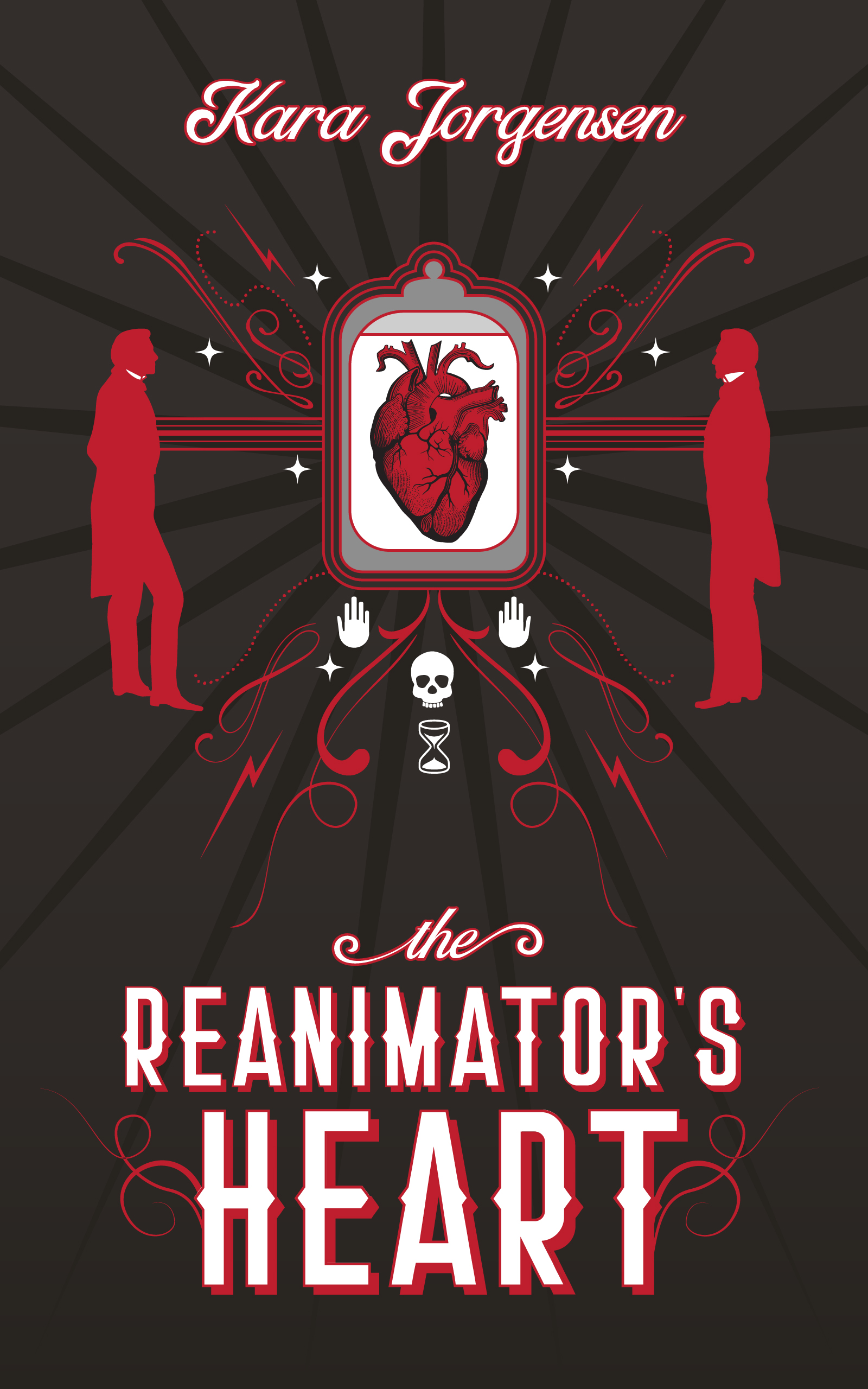
cover by Crowglass Design

In case you haven’t heard about The Reanimator’s Heart, here is the blurb:

A reluctant necromancer, a man killed before his time, and the crime that brings them together.

Felipe Galvan’s life as an investigator for the Paranormal Society has been spent running into danger. Returning home from his latest case, Felipe struggles with the sudden quiet of his life until a mysterious death puts him in the path of the enigmatic Oliver Barlow.
Oliver has two secrets. One, he has been in love with the charming Felipe Galvan for years. Two, he is a necromancer, but to keep the sensible life he’s built as a medical examiner, he must hide his powers. That is until Oliver finds Felipe murdered and accidentally brings him back from the dead.
But Felipe refuses to die again until he and Oliver catch his killer. Together, Felipe and Oliver embark on an investigation to uncover a plot centuries in the making. As they close in on his killer, one thing is certain: if they don’t stop them, Felipe won’t be the last to die.

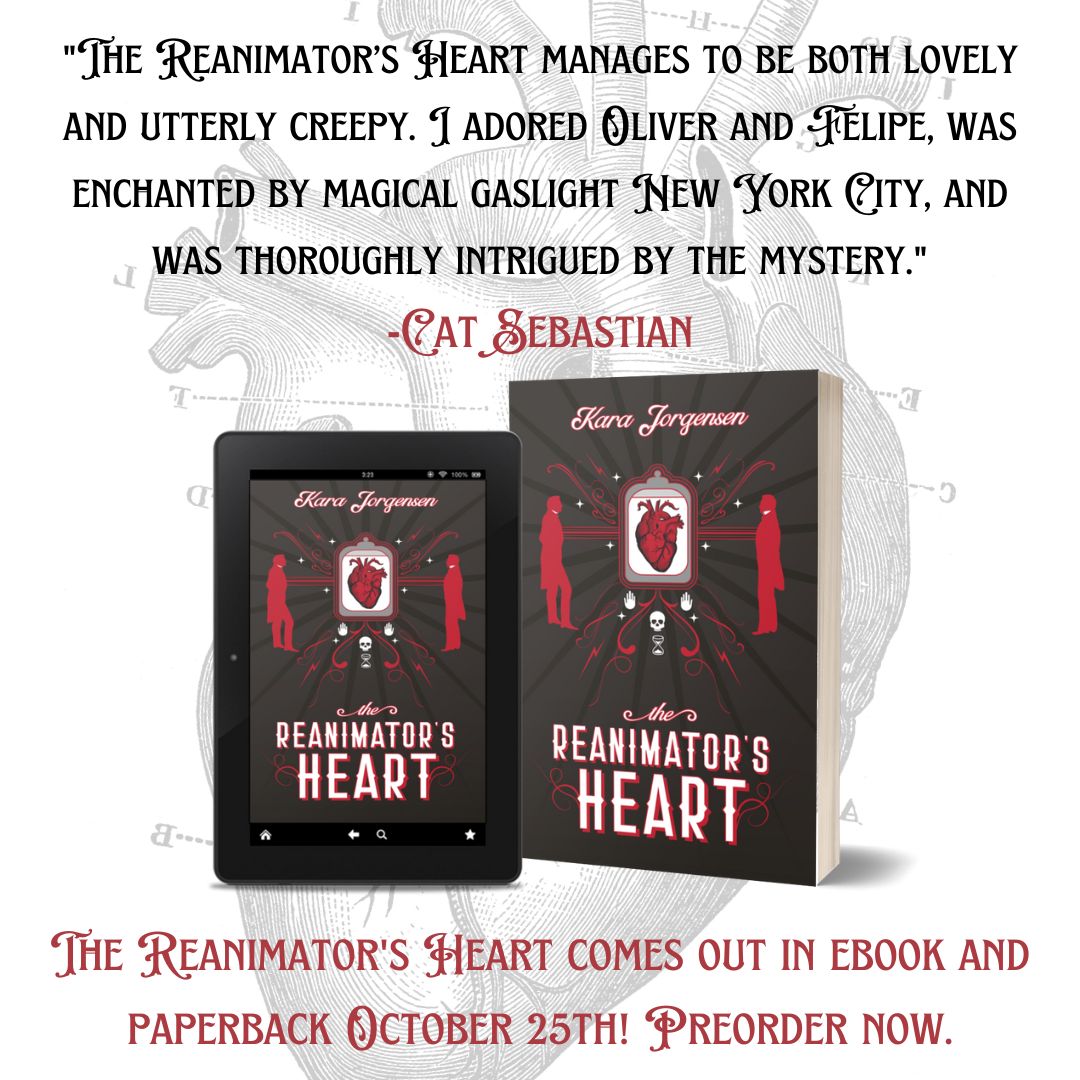
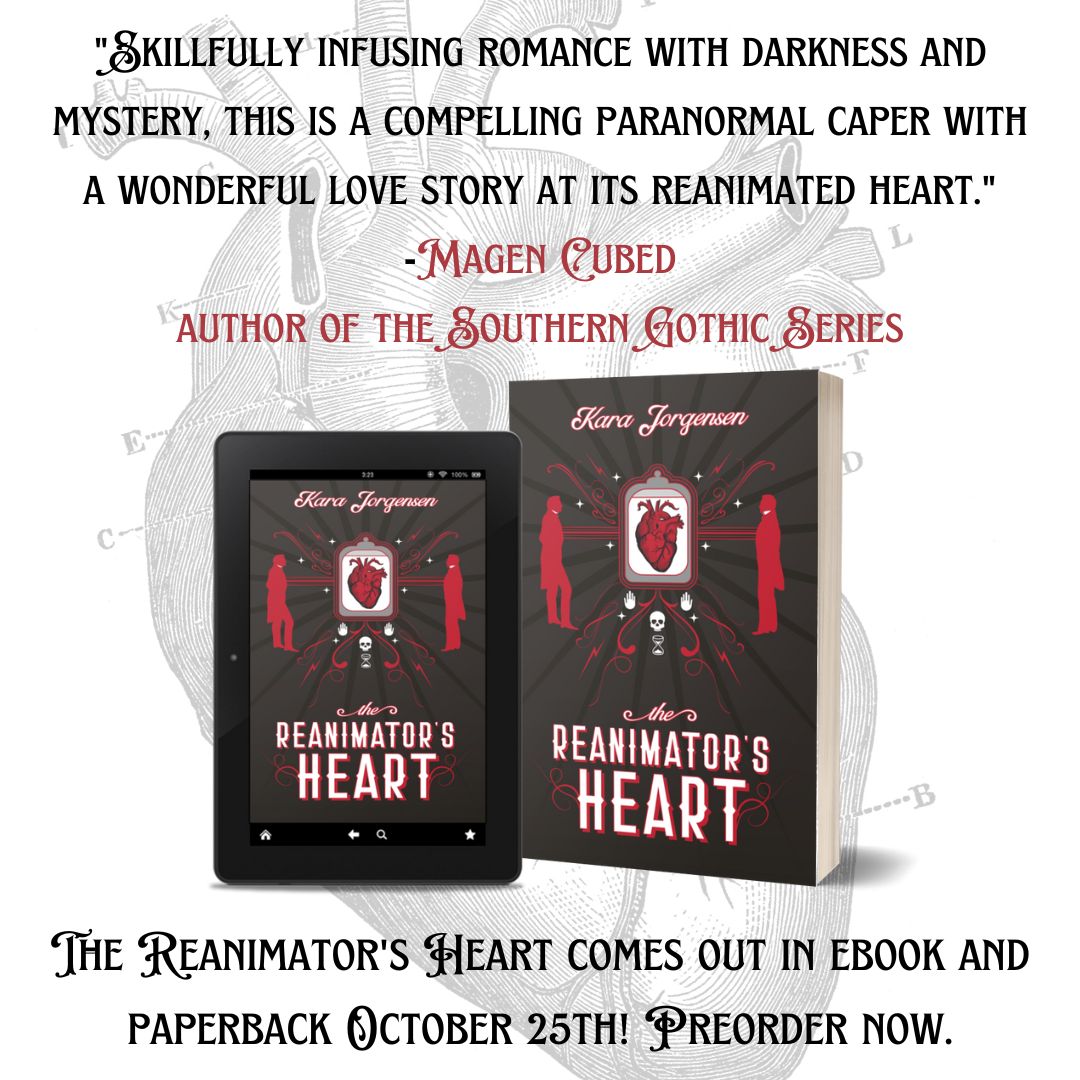
You can also see what others are saying about it:

The Reanimator’s Heart is my eighth novel, and it is a sort of tie-in to Kinship and Kindness as both series center around characters working in the New York Paranormal Society. The content warnings for The Reanimator’s Heart are on my specific book page for on my website as well as on the Goodreads listing (and inside the ebook/paperback).

Speaking of the paperback, that is available to order on Amazon and will disseminate to wider distribution in the coming weeks. You can also buy/preorder the ebook at all major retailers through this link and it will be delivered to your device on the 25th.

I am super excited about this book, which is sort of Pushing Daisies meets Sleepy Hollow but with MM romance.

If you pick up a copy, I hope you will leave a review! They really help authors like me out in terms of visibility and credibility.