Book Reviews

10 Books to Add to your TBR 2025 Edition Pt. 2

In the past, I would make a best of list for books I read, but I hate holding off on talking about my favorite reads. Instead, I plan to make a few of these posts throughout the year as I find books I loved. You can read the first installment here. The links below are affiliate links, so I get a tiny kick back if you purchase through that link.

  1. Turning the Tables by Andrew P. Haley- If you like food history, this is a really interesting nonfiction book about how the rise of the middle class in cities in the mid 1900s led to the restaurant culture we see today. It goes into how “ethnic” cuisine rose above stuffy French food, how dining habits changed, why tipping culture exists, etc.
  2. The Other World’s Books Depend on the Bean Counter by Yatsuki Wakatsu- If you like Oliver from my Reanimator Mysteries books, you will love the main character of this manga series. A workaholic accountant gets accidentally transported into a magical world, and instead of becoming the traditional hero, he decides to continue his workaholic ways as an accountant for the magical realm. He runs afoul of people in power, and he finds himself the target of help from a magical knight who decides he needs to save the workaholic from himself. This manga scratches so many book itches for me.
  3. “Ark” by Veronica Roth- This one is less than 50 pages, but it is so good. The world is about to get hit with a dinosaur extinction level asteroid, so as the planet is being evacuated, scientists race to catalog and preserve plants in Svalbard. Samantha prepares to stay behind until she gets to talking with an older scientist who studies orchids. I don’t want to give too much away, but I found this story surprisingly poignant and lovely despite the bleakness of the set-up.
  4. The Duke at Hazard by K. J. Charles- Technically, this is a sequel, but it can be read as a standalone or out of order with The Gentle Art of Fortune Hunting. The Duke of Severin has lived a very sheltered life of privilege, and he is itching to get away from his life (and relatives for a time). A bet with his cousin combined with being robbed of a precious ring during a clandestine meeting with another man is the perfect cover and reason to leave. For a month, he will live like a normal person, though he isn’t sure how one does that or how to find the man who stole his family ring from him. That is, until he runs into a gentleman whose family has been ruined for years who doesn’t recognize him but is willing to help. Together, they set out to find the robber, give Severin experience, and perhaps, rescue his new love’s reputation along the way.
  5. The Memory of the Ogisi by Moses Ose Utomi- a caveat for this is that it is the third and final book in the series. I really liked this series, and if you read all three in close proximity, I think it would really highlight the cyclical nature of societies that Utomi is getting at. I wouldn’t say the ending of the series is good, per se, but it does what it sets out to do and it’s interesting. The whole thing is a fascinating and rather brutal look at how knowledge and propaganda shapes histories and society.
  6. Copper Script by K. J. Charles- a policeman ends up becoming intrigued by a graphologist who reads his cousin a little too well only to realize the man’s talents are far realer than he expected. As Aaron tests Joel’s skills, they become embroiled in a case of corruption and murder that becomes far more than they bargained for, especially as they fall for each other against all odds. A bonus is that the one MC is an amputee, and there is quite a bit of hurt-comfort and intrigue going on.
  7. All Systems Red by Martha Wells- this is the first book in the Murderbot Diaries, and I am recommending this as sort of “read the series” recommendation. Murderbot is a security bot who has hacked its government module (aka now it has free will) and spends the majority of its time doing it’s job as little as possible and watching Netflix in its head. Wells does a really good job portraying autism and sex-repulsed asexuality through Murderbot, and the series is fun, well done, and tugs at the heart as we see Murderbot truly come into itself.
  8. Eaters of the Dead by Kevin J. Wetmore Jr.- Eaters of the Dead is a nonfiction/academic book about cannibalistic monsters that appear across the world and in fiction. As someone who writes about monsters and the occasional bit of cannibalism, I found this book incredibly interesting. Wetmore talks a lot about the root cause of creatures like ogres, Grendel, ghouls, etc. along with Eastern vs. Western views of funerary practices and how that plays into different views and anxieties surrounding the dead and cannibalism. Highly recommend if you want to get a deeper understanding of monsters.
  9. The Summer War by Naomi Novik- a rather short book packed with a ton of action about three siblings grappling with their place in the world where they are at endless war with the fae. There’s magic, queer pining of a side character, fae trickery, and so much love and caring. I listened to the audiobook of this in one day and absolutely loved it.
  10. Conquering Writer’s Block by K. M. Weiland- while I found this book to contain a lot of things I already know, I thought it would be useful to those who are earlier in their career. Weiland provides a grounding perspective and some good advice as to how to stay on track or get into good habits. Sometimes, when things get stressful, it’s good to have a reminder of what to do, especially in a book that’s less than 100 pages, so you can read it periodically to reset your flailing brain.

Book Reviews

10 Nonfiction Books I Love

Since it is Valentine’s Day (or it will be when this post comes out), I thought I would share some nonfiction books I have greatly enjoyed.

First off, I will say, I am not the biggest consumer of nonfiction. I like it, depending on the topic, but I tend to have a 1:10 ration of nonfiction to fiction. But when I do read nonfiction, I tend to go science, weird, or very niche, so buckle up for my 10 favorite nonfiction books so far.


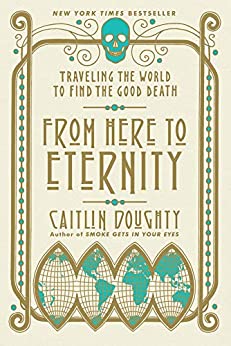
  1. From Here to Eternity by Caitlin Doughty– Caitlin Doughty is the figure head of the Order of the Good Death, a death positivity group online. She is also an incredibly engaging writer. If you’re interested in death rituals, the American alternative funeral industry, and the morbid in general, definitely hit her works up. I also highly recommend her first book, Smoke Gets in your Eyes. What I especially love about her work is that she doesn’t sensationalize things that aren’t the norm. She treats death rituals with a great deal of respect and talks about the cultural reasons behind them.
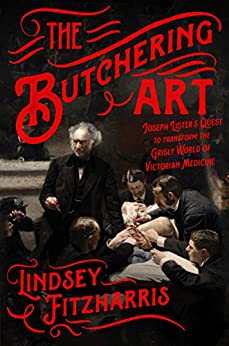
  2. The Butchering Art by Lindsey Fitzharris– As a writer of Victorian stories that often have medical scenes, I greatly enjoy learning about antique medical science. Lindsey Fitzharris is a wealth of information regarding medical history. The Butchering Art talks about Joseph Lister’s journey to promoting germ theory and totally transforming the medical profession but especially surgery. There’s an incredible amount of depth to this story that interweaves Lister’s life with his professional contributions as well. Fitzharris has a new book coming out about plastic surgery during WWI that I am looking forward to as well, called The Facemaker, and she hosts the show The Curious Life and Death of… which is also fascinating.
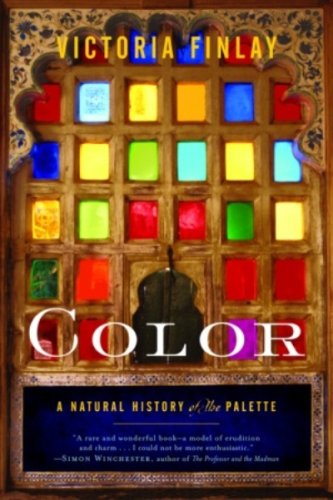
  3. Fabric, Colors, or Jewels by Victoria Finlay– I will auto-buy anything Victoria Finlay comes out with. I absolutely love her books and hope she makes many more in the future. All three books are close looks into the cultural significance, history, and composition of fabric, jewels, and pigments. What I love about her books is that she goes all over the world to do deep research and talk with the people in the communities that create these things or are affected by their harvesting/creation. I’m a nerd who loves super deep, niche research, and Finlay’s books fill this void for me.
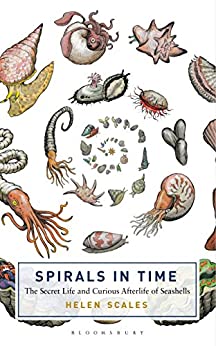
  4. Spirals in Time by Helen Scales– I have a thing for sea creatures, and spirals in time does a deep dive into the anatomy of molluscs, the way they were used in different cultures, how they can be used for drugs or food or poison, how they are being affected by climate change, etc. Basically anything you wanted to know about molluscs, Scales talks about. Once again, probably niche for some, but if you like to learn about a large part of ocean life that happens to be quite small and seemingly unimportant, this is for you.
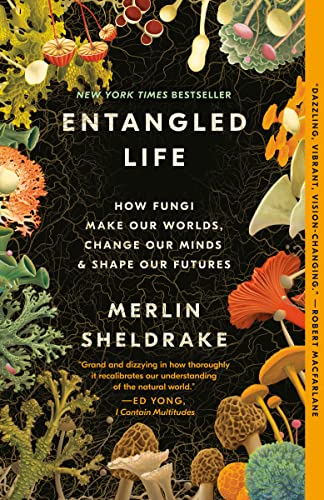
  5. Entangled Life by Merlin Sheldrake– First off, the author’s name is amazing, especially in relation to a book on mushrooms. Second, fungi is the most fascinating of kingdoms. Much like Spirals in Time, it is a deep dive on the structure, life cycle, toxicity, promise, and even processing power of fungus. I know a nonfiction book is good when I want to read five more books on the same topic. Definitely leans more toward the creative nonfiction side than a try text, which I appreciated (other reviewers, not so much).
  6. The Dinosaur Artist by Paige Williams– This was one of those books where it just got wilder and wilder. The world of dinosaur hunting and selling, international trade regulations, fraud, Mongolian politics, and so much more. As a child who was obsessed with dinosaurs, I am still an adult who loves dinosaurs. This book is less about the dinosaurs themselves and more about the craze surrounding them. The magnetic appeal that leads to international smuggling rings and high profile arrests.
  7. An Edible History of Humanity by Tom Standage– an interesting look at food from pre-history to modernity with detours into the evolution of grains, how empires were built around them and transported them, as a tool to create ideologies, the spread of foods through empires, and how modern farming and consumption affects food. I didn’t love the more modern chapters, but the archaeology/anthropology-based bits were far better.
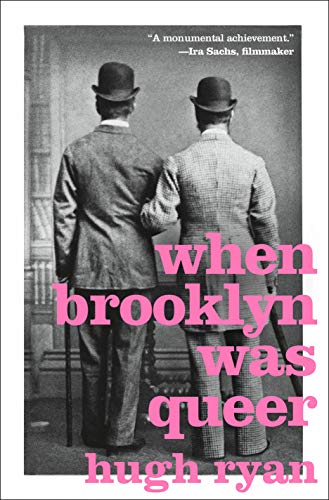
  8. When Brooklyn was Queer by Hugh Ryan– This is a book I’ve been referencing since starting the Paranormal Society Romance books. Ryan takes readers from Walt Whitman’s home in the 1850s to the sapphic women of the Brooklyn Navy Yard in WWII. The book is loaded with information but told in a way that feels almost like a story. It’s a comfortable pace without becoming too dry. I ran through When Brooklyn was Queer far faster than George Chauncey’s Gay New York (which I also recommend but it was drier). Ryan also provides a great works cited section at the end.
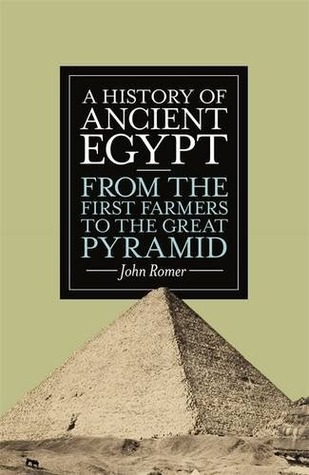
  9. A History of Ancient Egypt by John Romer– I will warn you, it is dense and large with tiny print. But if you are interested in Ancient Egypt, it is worth it. So far, there are two volumes, and I am DYING for the third which runs from the beginning of the New Kingdom to (I assume) the end of the Ptolemies. What I love about Romer is he only uses archaeological evidence for his theories, which takes away a lot of the “assumptions” we have about Ancient Egypt that reflect a British imperialist mindset.
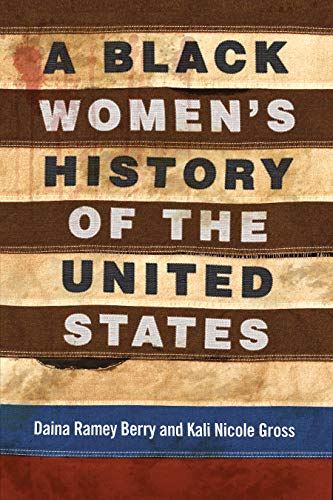
  10. The ReVisioning American History series by Michael Bronski, Kim E. Nielsen, Roxanne Dunbar-Ortiz, Paul Ortiz, Daina Ramey Berry, and Kyle T. Mays (so far)- This series is really a starting point for further reading, but I like them because they talk about the history that often isn’t taught in schools. The books focus on queer history, disability history, Indigenous history, an African American and Latinx history, a history of Black women, and Afro-Indigenous History. The histories are often horrific at times, but they need to be told and read. As I said, they are not comprehensive, but they are a good starting point in order to delve deeper.
Book Reviews · Personal Life

5 Favorite Series of 2017

After posting my massive reading spreadsheet, I thought I would pick a few highlights that I thought deserved more attention. Some of the series mentioned were not published this year but were read by me this year. This is my top 5 favorite series that I read in 2017 in no particular order.

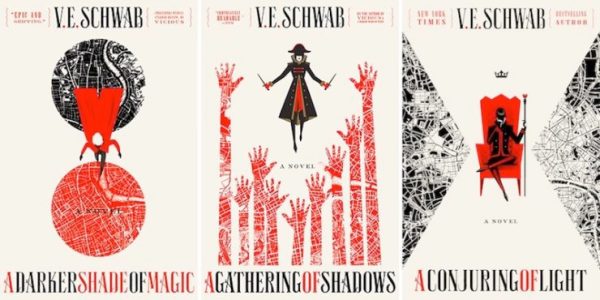
Shades of Magic by V. E. Schwab

ShadesMagic-US-740x370

Books in the series: A Darker Shade of Magic (#1), A Gathering of Shadows (#2), and A Conjuring of Light (#3)

What it’s about: There are 4 Londons: black, white, grey, and red. While red is rich in magic and luxury, grey falls into anarchy and ruin, white remains blissfully magic free, and black… no one has set foot in black London for centuries. Kell is one of the only ones who can traverse these worlds to keep diplomatic peace and do a little trading of magical good on the side. These worlds remain in a delicate harmony until Kell accidentally unleashes black magic.

Why you should read it: 4 Londons with mad King George III in the background, a pirate-aspiring woman thief, a foppish yet strong prince, magic galore, and so much more. What really drew me in was the dynamic between the four worlds and the characters in them. You root for everyone, even the villains/antiheroes, and at times, you aren’t sure who is a hero and who is a villain. It has a ton of action, but that never comes at the expense of world-building or character. The amount of texture in this book immediately made it a highlight for me.

The Winternight Trilogy by Katherine Arden

KArden

Books in the series: The Bear and the Nightingale (#1), The Girl in the Tower (#2), The Winter of the Witch (#3 – forthcoming 2018)

What it’s about: Vasilia lives in the Russian wilderness with her family, honoring the old ways and gods of the hearth and home and of course, the winter king. That is, until a new priest comes to the village. Full of fire and fervor, he threatens to tip the balance of nature and all the creatures that stand behind it. Only Vasilia, who can see the spirits of the old world, can save Russia from destruction, but first, the big-eyed witch must save herself.

Why you should read it: Russian folklore, a young girl pretending to be a boy, a demon fighting his humanity, a talking horse, and lush atmosphere. I loved the first book so much that I screeched when I was approved to get an ARC of book two. The world is realistic and rich, combining fantasy with history seamlessly without sanitizing the past. There were times I held my breath from the tension.

Hexworld by Jordan L. Hawk

Books in the series: “The 13th Hex” (#0), Hexbreaker (#1), Hexmaker (#2), Hexslayer (#3), “Wild Wild Hex” (#3.5)

What it’s about: A magical version of Edwardian NYC where there are humans, witches, and familiars. Familiars can transform into animals but are treated as second class citizens and often abused by witches who can bond with them and use their power to create hexes. A police force in NYC seeks to stop magical crimes and protect familiars and humans alike.

Why you should read it: Foxy thieves, sassy crows, Irish cops who take no shit, Teddy Roosevelt (who I really wish had a bull moose familiar), an intriguing magical system, PoC representation, and a great use of NYC landmarks. The romances are so damn sweet. Not in a corny, saccharine way, but in a way that you absolutely love the characters and want them to do well and become better people. Each story focuses on a new couple, so you get a wide range of stories and personalities while still seeing your favorites in the background.

Sins of the Cities by K. J. Charles

Books in the series: An Unseen Attraction (#1), An Unnatural Vice (#2), and An Unsuitable Heir (#3)

What it’s about: A murdered drunken clergy men sets of a chain reaction of death, blackmail, and family secrets that threatens to destroy the Talleyfer family and those in their orbit.

Why you should read it: A very well done mystery that runs through all three books, diverse representation that includes characters of color, varying sexualities, a character with autism (also well done), a character struggling with gender identity, and differently abled characters. I want to gush over the first book especially because Clem and Rowley are just so sweet, and a well-written character with autism is hard to find. K. J. Charles pays wonderful attention to detail in terms of not only the setting and time period but the characters different issues.

The Captive Prince Trilogy by C. S. Pacat

cs pacat

Books in the series: Captive Prince (#1), Prince’s Gambit (#2), Kings Rising (#3) and several short stories that aren’t necessary but are worth reading if you like the series

What it’s about: Damen is the heir to Akielos, but when his father dies, his half-brother kidnaps him and sends him to their rival power, Vere, as a bed slave. Stripped of his identity in enemy territory, Damen must navigate the complex world of Vere’s royal court and its equally complex heir Laurent. Laurent is more than his cold exterior, he’s calculating, strong and at the mercy of his uncle, the Regent. Together Damen and Laurent must find a way to win back their kingdoms.

Why you should read it: court intrigue, a slow burn romance, an incredibly interesting story structure (so many parallels you don’t notice until later), complex characters, an intricately woven plot, and an interesting world. There are some trigger warnings for this story, mostly involving bed slaves, but this is set in an Ancient Greek style world, so I felt it should be expected when reading it. The story is so much more than sex or sensuality. Court intrigue and war sit at the heart of it, which isn’t my usual style of story, but Damen and Laurent balance the story so well. Ruthless ambition meets bravery while both exhibit and incredibly amount of heart and humanity.


Well, I hope this post introduced you to a few new series you might check out. In my next post, I’ll highlight a few of the books I loved in 2017.