
As is a common theme with people from marginalized groups, growing up, I didn’t see any autistic characters in fiction (or at least none that read as overtly autistic). Of course, we have plenty of hyperfocused, brilliant characters like the inventor from Flubber or Milo from Atlantis, but those characters didn’t really portray the struggles of being autistic. While I wouldn’t want to be neurotypical, being autistic in a society built for neurotypicals means always feeling like you don’t fully grasp a situation or that everyone seems to know things innately that you do not. These characters didn’t show that. Everyone likes to dunk on Sheldon from Big Bang Theory for being fairly sucky rep as he’s a self-centered asshole, but I did appreciate that Sheldon struggles with things the others find “normal” because he’s autistic. Overtly autistic characters who aren’t just slightly quirky geniuses were practically non-existent.
Then, there’s also a multifaceted element of spite.
For background, I’ve known I was autistic since I was about fourteen. I figured it out on my own and took steps up until official diagnosis because, frankly, being officially diagnosed can make your life harder and it’s costly, so I haven’t gone for a full evaluation. But I have known for a over half my life that I am autistic. The college I went to for my bachelors has a degree in ABA, and when I realized what ABA was, I was like HELL NO (if you don’t know, please look into why ABA is traumatic and basically conversion therapy for autistics). On top of that, a woman in my graduating class who is NT wrote a picture book about an autistic girl’s experiences, and I was just… less than thrilled that no one was critiquing the fact that she was writing from an autistic perspective when she isn’t autistic. She’s just someone who wants to be a special education teacher. Autistics get talked over a lot in regards to our experiences and lives, and after trying to write more neurotypical characters, I decided to lean into neurodivergence in my writing.
If you look back at my first book, The Earl of Brass, it’s pretty obvious that Eilian is AuDHD (ADHD + autism). At the time, I had wanted to portray him as someone with ADHD, but when I look back, I realize he’s probably autistic too with his special interests, food issues, and some sensory issues. Hadley, the love interest in that story, also comes off as autistic. Oops.
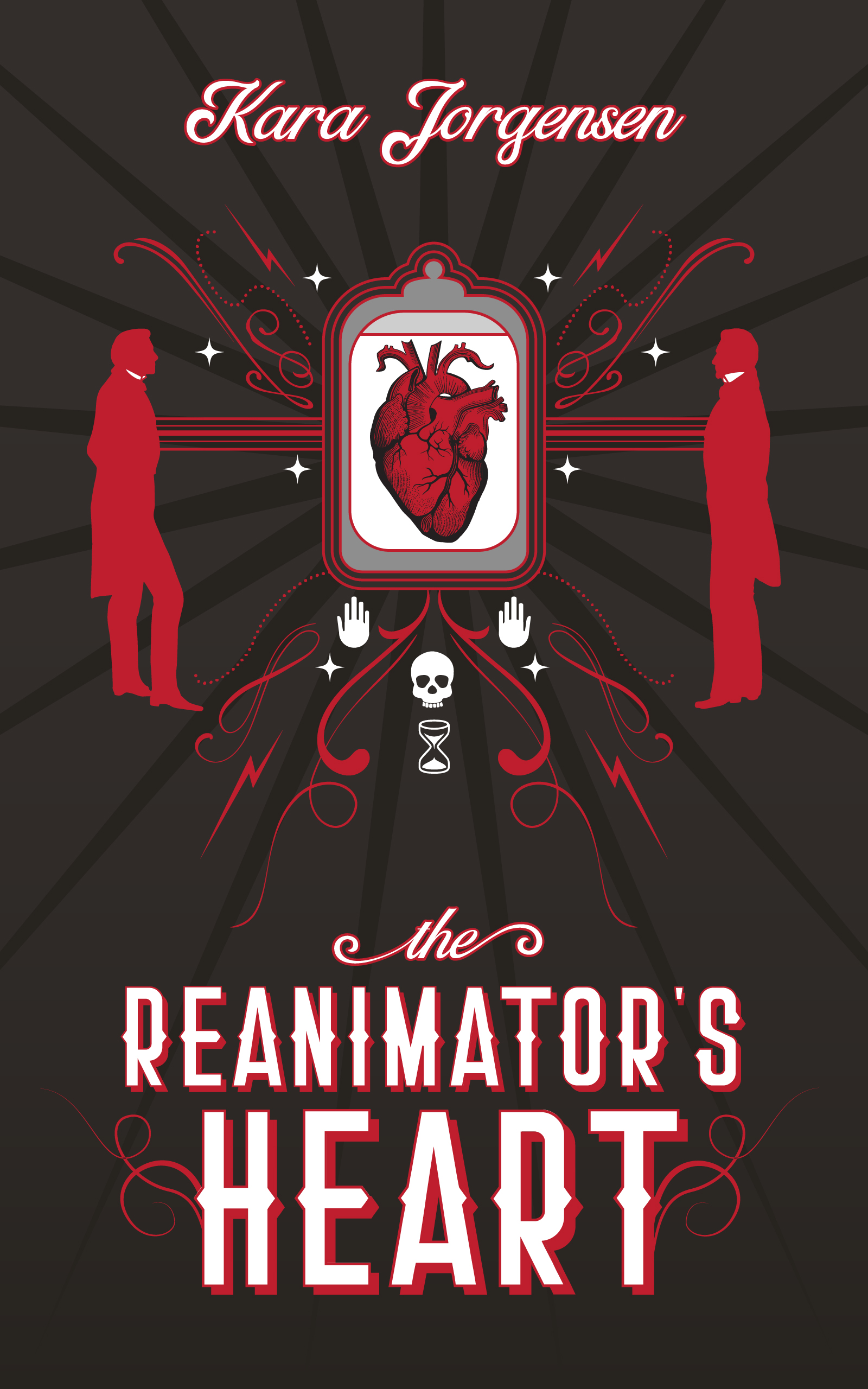
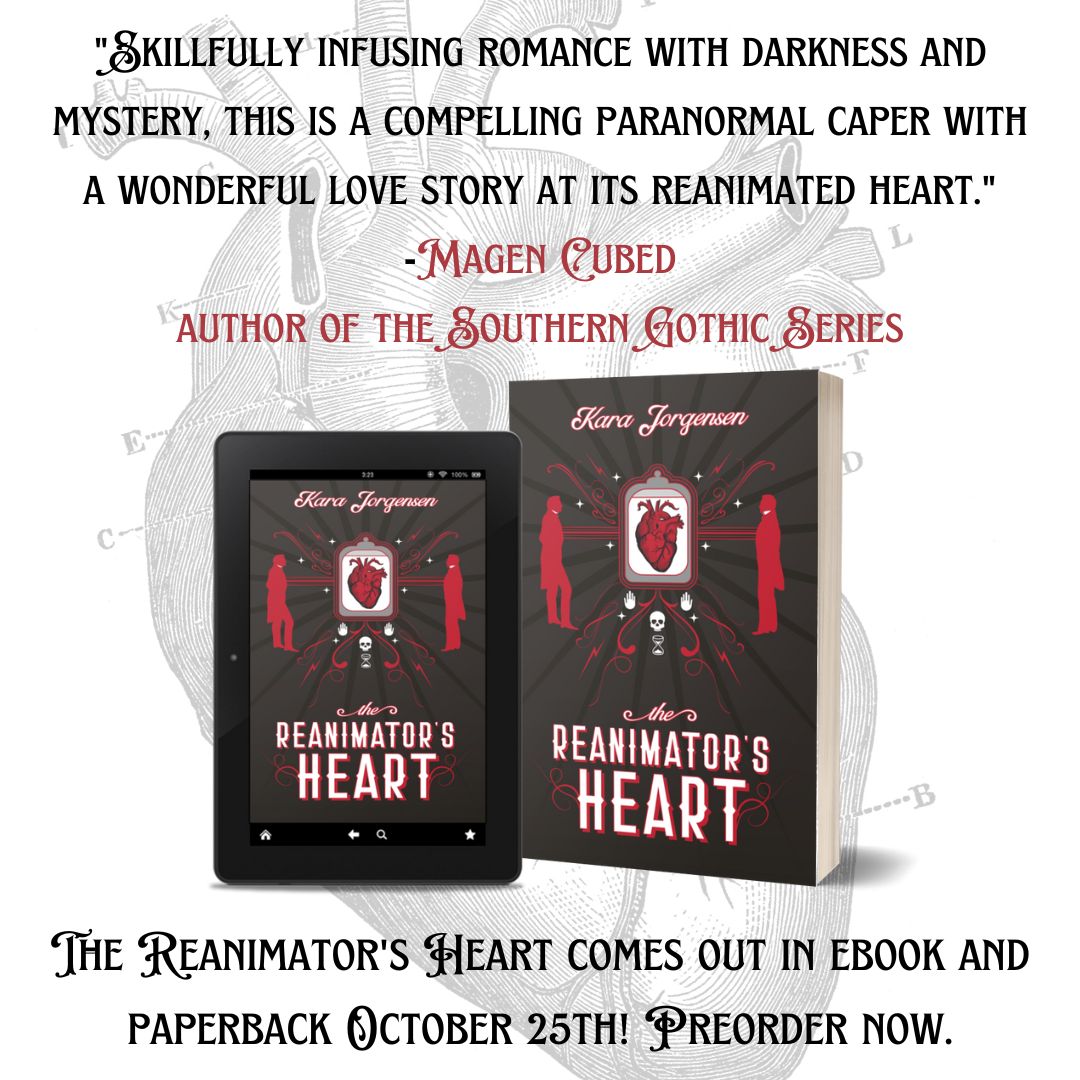
When I decided to write The Reanimator’s Heart, I made the purposeful choice for the first time to make a character overtly autistic. I wanted Oliver to be someone who embodies my experiences as an autistic person. I wanted a character who is an adult, and a queer adult at that, who moves through life trying to take care of himself while managing a job, friends/relationships, and his own needs. This doesn’t mean he doesn’t need accommodations. The Paranormal Society’s building provides him an isolated bedroom off his laboratory, and a quiet room in the library appears where he can calm down when overstimulated. Even with his closest relationships, Oliver still needs help sometimes, but neither Gwen nor Felipe belittle or infantalize him. Despite having help and setting his life up in such a way that he isn’t constantly burnout, he still gets overstimulated or has a shutdown.
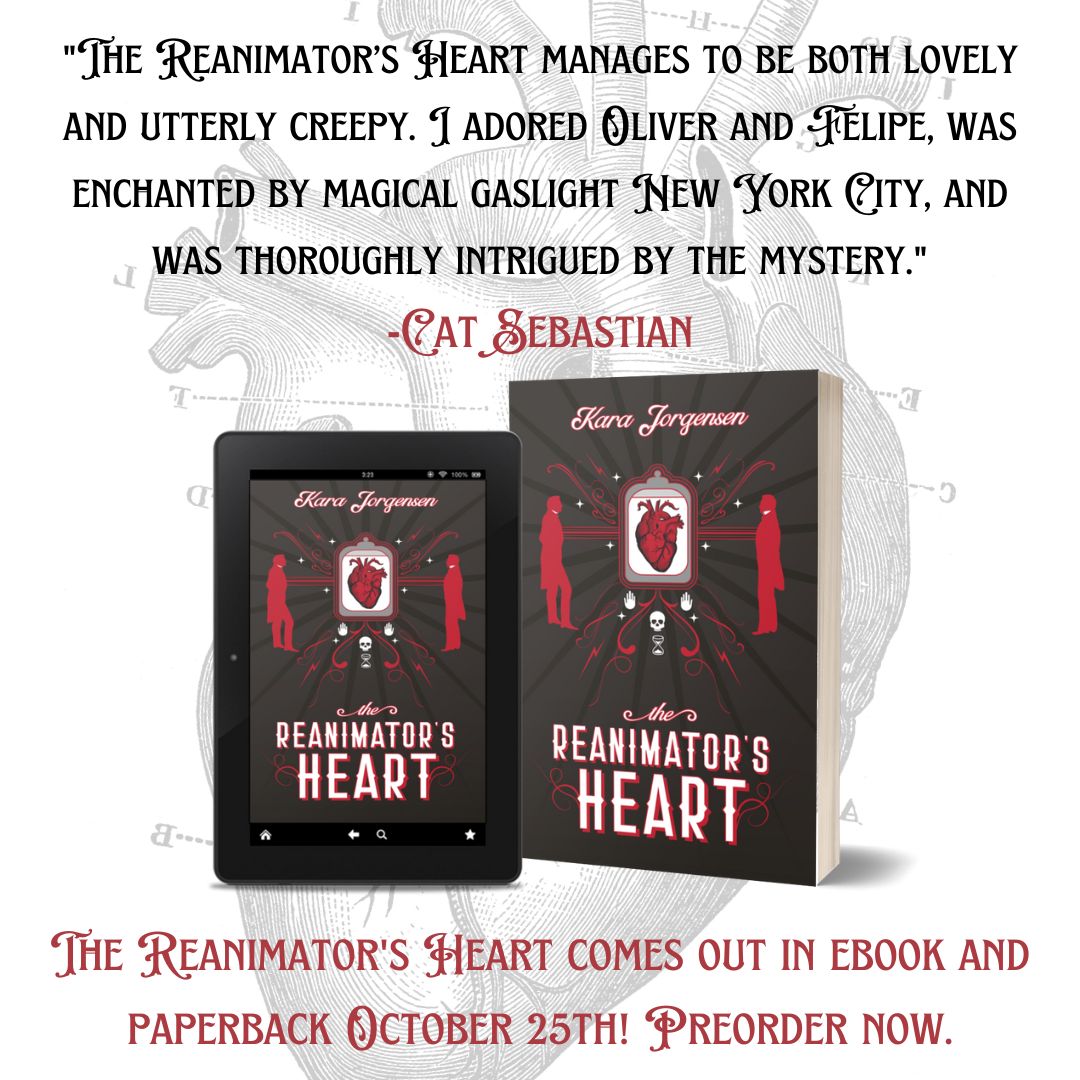
Ultimately though, Oliver is an adult man with a job he is good at and a partner who loves and supports him. So much of what we see about autism is aimed at the neurotypical parents of autistic children, which leads to autistic adults being infantalized by professionals and other adults. It is something I despise and many other autistics, regardless of support needs, despise. I wanted to have Oliver be clearly an adult who still struggles with sensory issues or losing his ability to speak when upset due to being autistic, but he still is able to live fairly autonomously and be successful in his job and love life. I’ve also made it very clear throughout both books in this series (book 2 comes out October 24th, btw) that his partner, Felipe, loves and supports him. He doesn’t find Oliver to be a burden, and expresses that to him when Oliver fears he is one. Often in stories, neurodivergent characters are seen as annoying or burdensome to their partners, and I wanted to make it clear to other autistic readers that they aren’t burdens and that there are people out there who will love them because of their quirks, not in spite of them.
Oliver is the rep I needed as a twenty year old and still need now, and my hope is that other autistic people will see themselves in him too.
 Kara Jorgensen